ClickCease
NOW CONTRACTED WITH MOST INSURANCE COMPANIES FOR CHIROPRACTIC CARE
A woman slips and falls on ice and rubs her back in pain.

Beat Winter Back Pain with Chiropractic Care

You know how winter can put a real strain on your back. Whether you’ve been shoveling heavy snow, slipped on an icy sidewalk, or just curled up indoors watching movies instead of moving around, winter back pain is very real. The good news? You don’t have to just grin and bear it — chiropractic care can help you feel better and stay active all season long.

What Winter Back Pain Feels Like (and Where It Happens)

A man shovels heavy snow in a driveway, straining his lower back.

Back pain comes in many forms, and each tells a story about what’s going on in your body:

  • Lower Back Ache: The most common winter complaint, especially after snow shoveling or lifting awkwardly.
  • Sharp Pain After a Slip or Fall: A jolt on icy ground can irritate muscles, ligaments, or joints.
  • Stiff, Achy Mid-Back: Sitting more at home or hunching over laptops or phones tightens muscles and compresses discs.
  • Muscle Spasms or Tightness: Cold weather makes muscles less pliable, so a little twist or reach can trigger spasms.

All of these can stem from strain on your spinal joints, tight muscles, reduced movement, or misalignment — and each one benefits from the right care approach.

How Chiropractic Treatment Helps Winter Back Pain

At Total Body Chiropractic, your care is focused on treating the root cause of your pain, not just masking symptoms. Different therapies work together to reduce inflammation, restore movement, and help your body heal more efficiently.

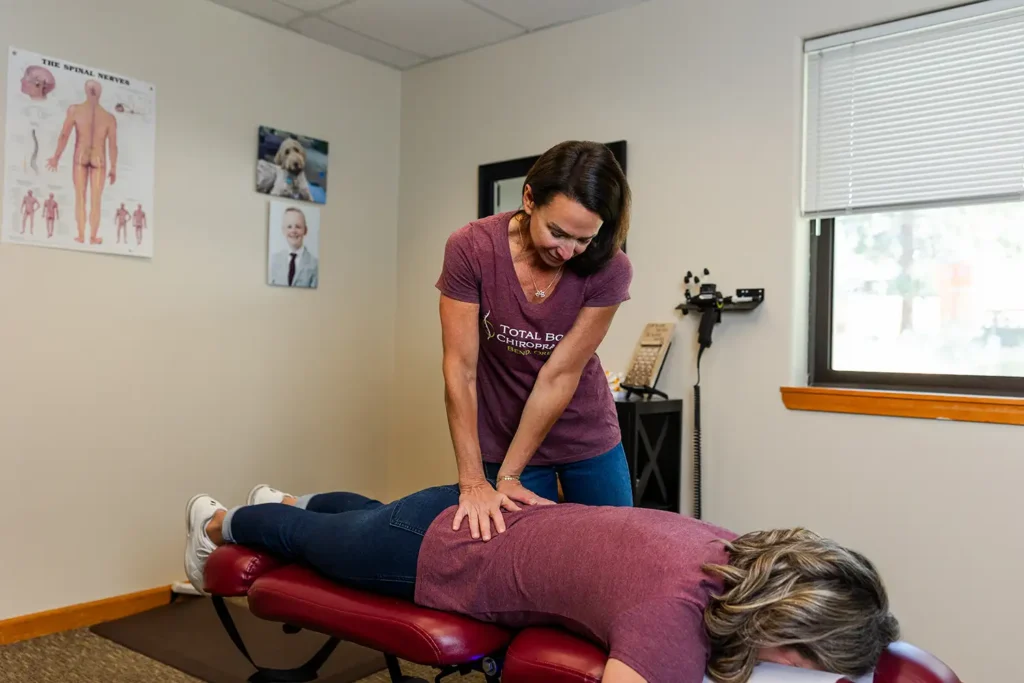
1. Spinal Manipulation (Chiropractic Adjustments)

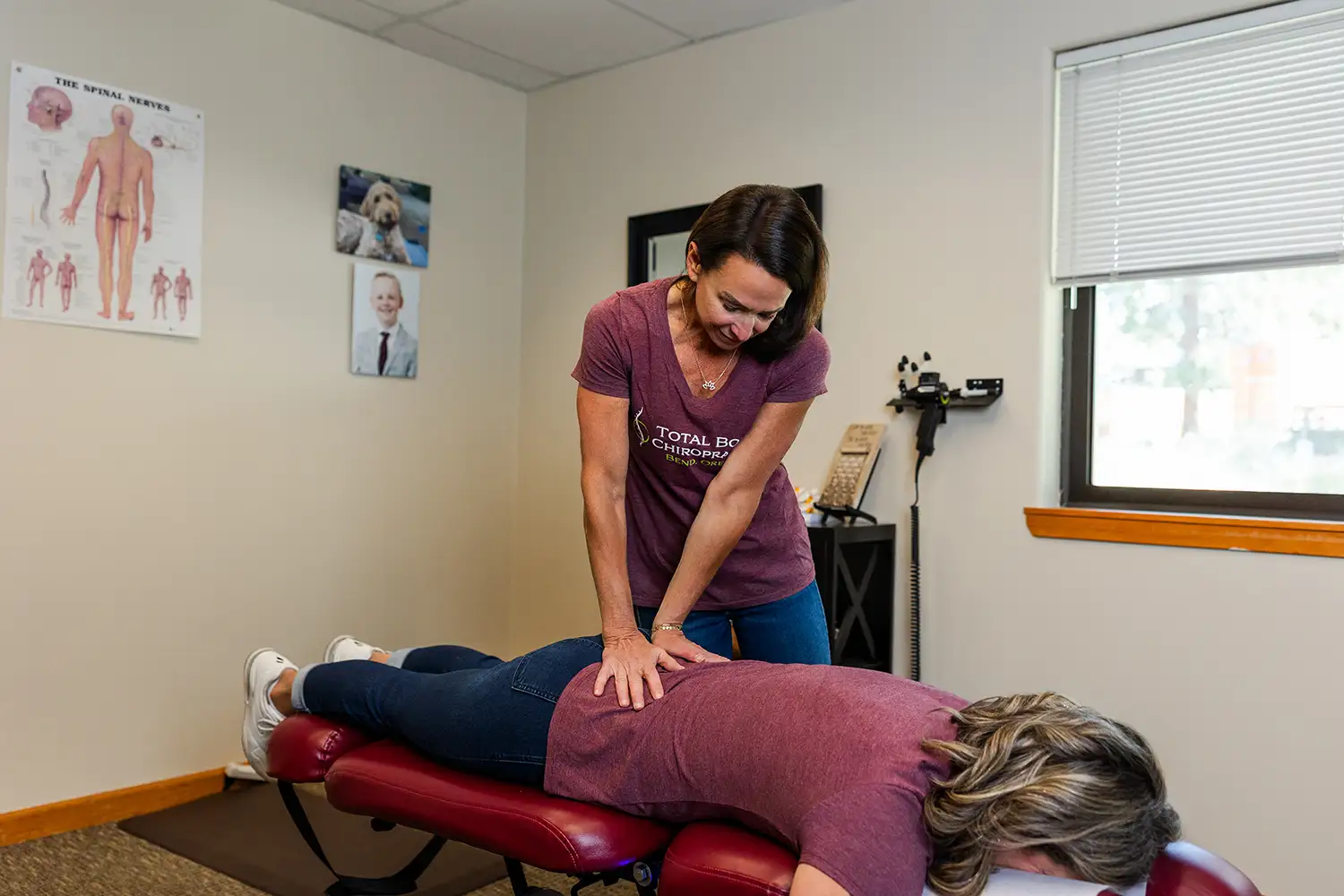
Spinal manipulation, also known as a chiropractic adjustment, is designed to improve how your spine moves and functions. During an adjustment, controlled, gentle force is applied to specific joints in the spine that aren’t moving properly.

How it works:

  • Restores normal joint motion in the spine
  • Reduces pressure on nerves
  • Improves communication between the brain and body

What it does for winter back pain:
Cold weather, inactivity, and heavy lifting (like snow shoveling) can cause spinal joints to become stiff or misaligned. Adjustments help realign these joints and improve flexibility.

Benefits:

  • Decreases pain and stiffness
  • Improves posture and mobility
  • Helps prevent recurring injuries
  • Encourages faster healing without medication

2. Laser Therapy

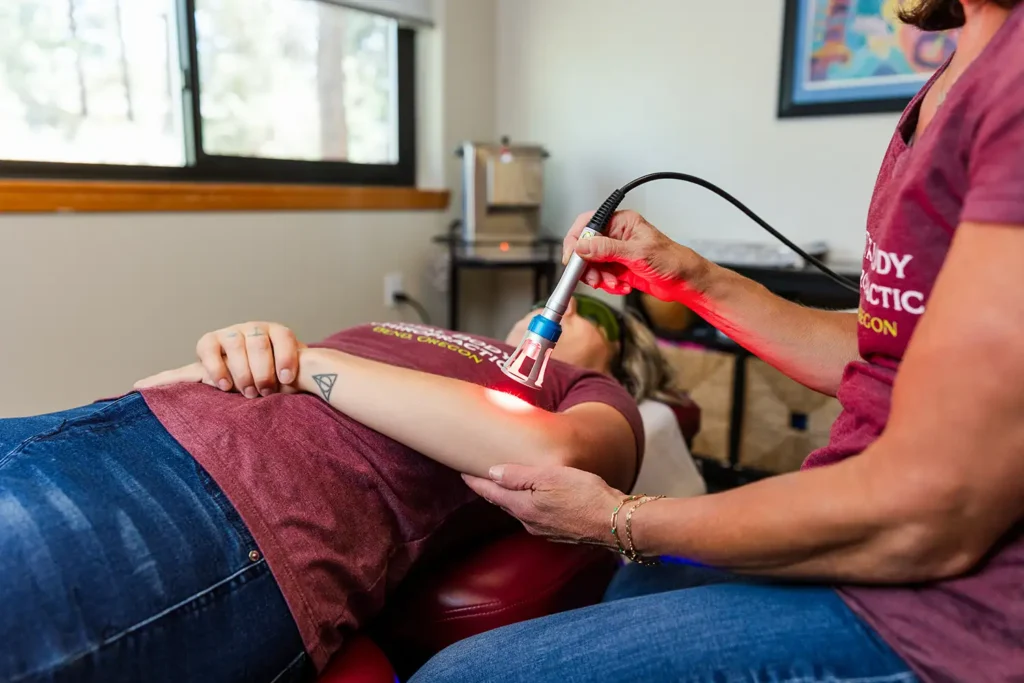
Laser therapy treatment being done on patient by chiropractor in Bend oregon.

Laser therapy uses focused light energy that penetrates deep into muscles and soft tissues without causing pain or damage.

How it works:

  • Stimulates cellular repair and regeneration
  • Increases circulation to injured tissues
  • Reduces inflammation at the source

What it does for winter back pain:
Laser therapy is especially helpful if you’re dealing with muscle strains, ligament injuries, or lingering soreness after shoveling snow or slipping on ice.

Benefits:

  • Speeds up healing time
  • Reduces inflammation and swelling
  • Relieves muscle tension
  • Gentle, non-invasive, and pain-free

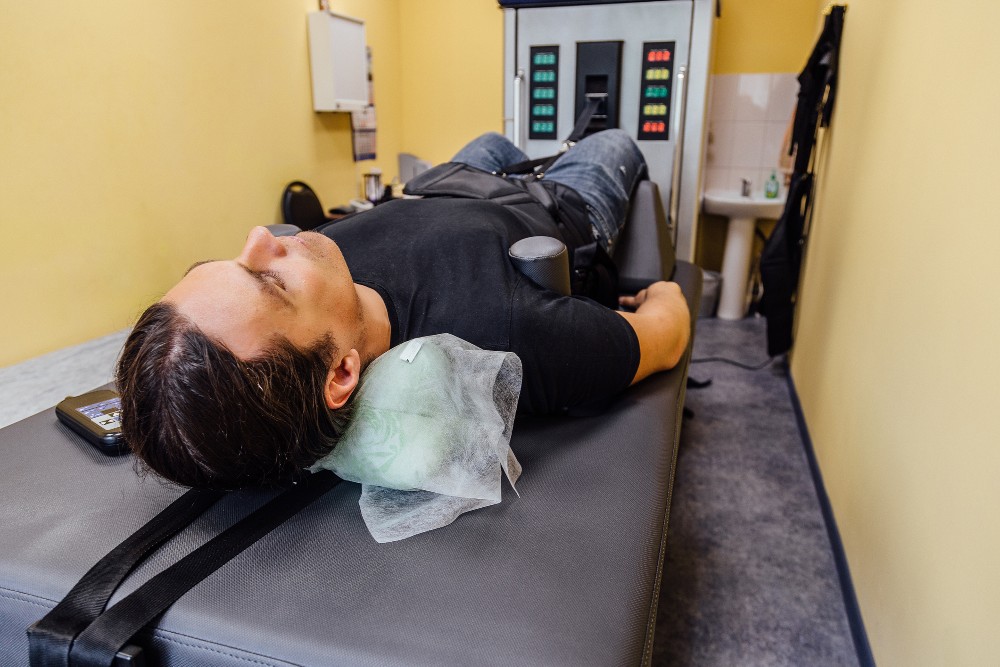
3. Spinal Decompression Therapy

Spinal decompression is a specialized, computer-guided therapy that gently stretches the spine to relieve pressure on spinal discs and nerves.

How it works:

  • Creates negative pressure within spinal discs
  • Allows bulging or herniated discs to retract
  • Improves circulation and nutrient flow to discs

What it does for winter back pain:
Prolonged sitting, poor posture, and awkward movements in cold weather can compress spinal discs. Decompression helps relieve that pressure and allows your spine to heal.

Benefits:

  • Reduces nerve pain and radiating symptoms
  • Helps relieve disc-related lower back pain
  • Improves spinal mobility
  • Supports long-term disc health

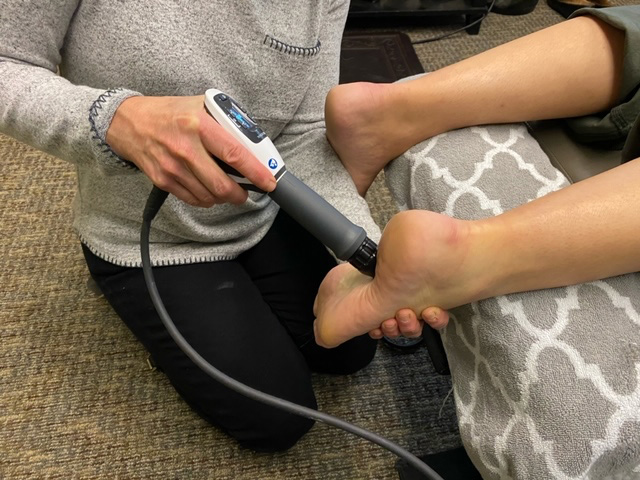
4. Shockwave Therapy

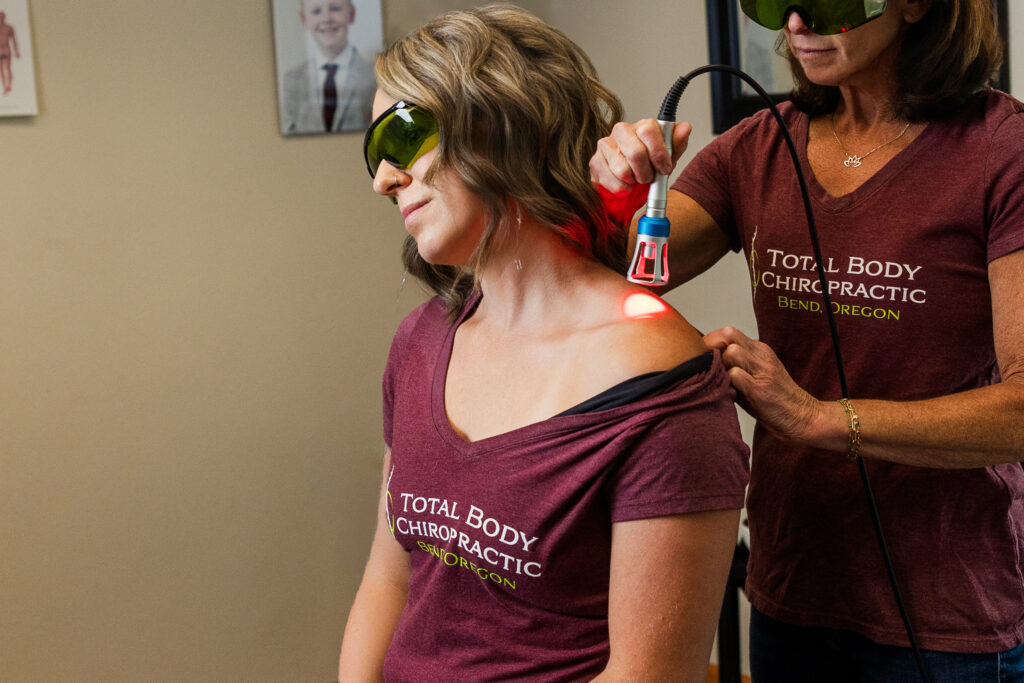
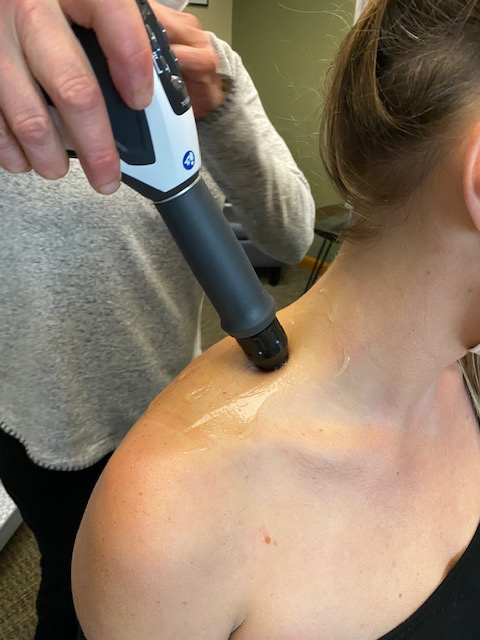
Close up view of a chiropractor applying shockwave therapy to a patient's neck and shoulder to heal musculoskeletal issue.

Shockwave therapy uses high-energy sound waves that travel deep into muscles and connective tissue.

How it works:

  • Breaks up scar tissue and adhesions
  • Stimulates blood flow and tissue regeneration
  • Triggers the body’s natural healing response

What it does for winter back pain:
If your back pain feels chronic, tight, or “stuck,” shockwave therapy can help reset damaged tissue caused by repeated strain or old injuries aggravated by winter activities.

Benefits:

  • Relieves chronic muscle pain
  • Improves range of motion
  • Accelerates healing
  • Effective for stubborn pain that hasn’t responded to other treatments

5. Massage Therapy

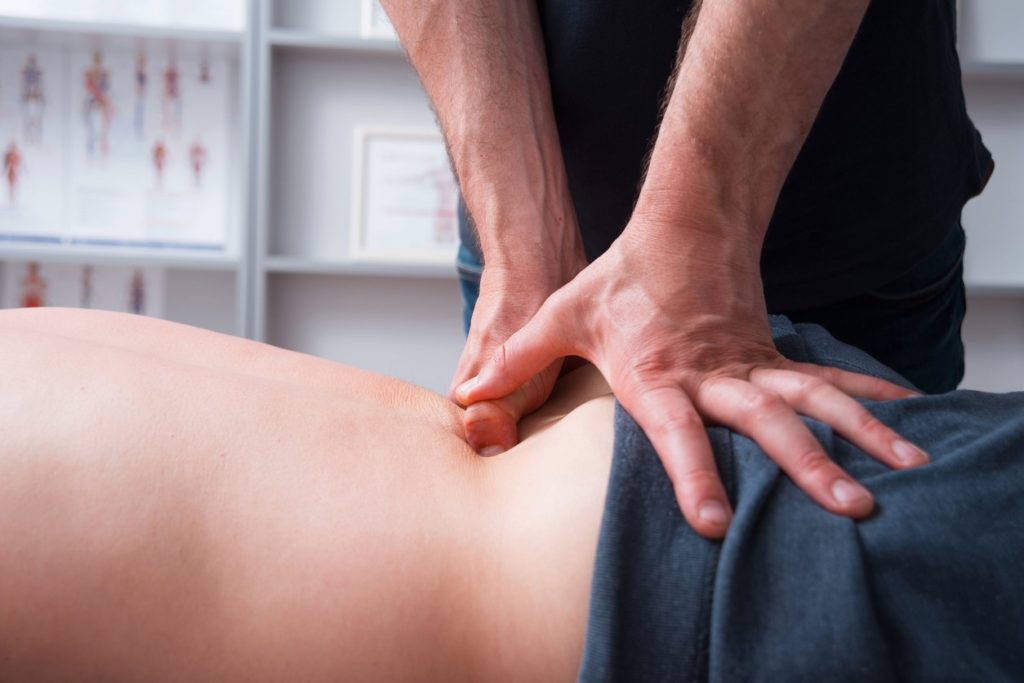
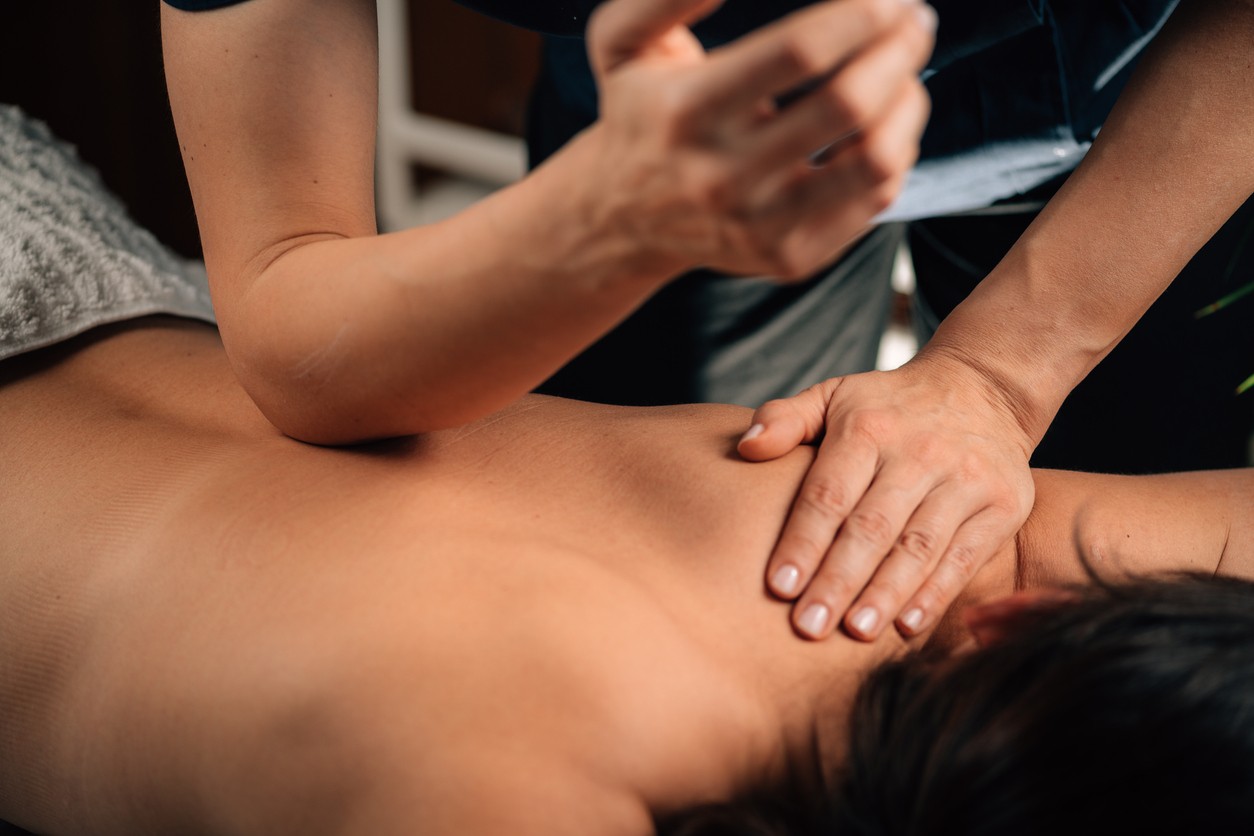
A male massage therapist performing deep tissue massage on the lower back of a male patient.

Massage therapy works directly on muscles, tendons, and fascia to reduce tension and improve movement.

How it works:

  • Relaxes tight, overworked muscles
  • Improves circulation and lymphatic drainage
  • Enhances the effects of chiropractic adjustments

What it does for winter back pain:
Cold temperatures and reduced activity often cause muscles to tighten. Massage helps warm and loosen these tissues, making your spine more responsive to care.

Benefits:

  • Reduces muscle stiffness and spasms
  • Improves flexibility
  • Promotes relaxation and stress relief
  • Helps prevent future injuries

Other Things You Can Do to Support Winter Back Pain Relief

In addition to chiropractic care, these simple habits can help you feel better and heal faster:

  • Stay active: Short walks or gentle movement prevent stiffness from setting in.
  • Warm up before shoveling: Light stretching prepares your muscles and reduces injury risk.
  • Stretch daily:
    • Hamstrings to ease lower back strain
    • Hip flexors to improve posture
    • Gentle spinal twists to maintain mobility
  • Maintain good posture: Be mindful of how you sit, especially when working or watching TV indoors.
  • Eat anti-inflammatory foods: Leafy greens, berries, fatty fish, turmeric, and ginger support healing.
  • Stay hydrated: Proper hydration keeps spinal discs and soft tissues flexible.
  • Use heat when needed: Heat helps relax muscles and improve circulation during colder months.

Winter Back Pain FAQs

A woman with lower back pain grimaces while sitting on a sofa holding her lower back.

  1. Why does my back hurt more in winter?
    Cold weather can tighten muscles, make joints stiffer, and lead to less movement overall, all of which can increase back pain.
  2. Can chiropractic help after a slip on ice?
    Absolutely — adjustments and soft tissue work help realign joints and calm inflammation after a sudden fall.
  3. How soon will I feel relief?
    Many people notice improvements after the first few visits, but your personalized plan will depend on your condition and goals.
  4. Is chiropractic safe for everyone?
    Most adults benefit from chiropractic care, but your chiropractor will discuss safety and tailor techniques for you.
  5. Should I keep active if my back hurts?
    Yes — gentle movement and stretching can help reduce stiffness and support healing.
  6. Do I need multiple treatments?
    It depends on your pain severity and how long it’s been present. Some people feel great quickly, others benefit from structured care over weeks.

Ready to feel better this winter?

If back pain is slowing you down, our team at Total Body Chiropractic is here to help. From gentle spinal adjustments to advanced therapies like laser, decompression, shockwave therapy, and massage, your care plan is tailored to you.

Sports Massage vs. Deep Tissue Massage: Which One Is Right for You?

Whether you’re hitting the trails, training for a race, or simply trying to stay active without pain, bodywork plays an essential role in recovery and performance. At Total Body Chiropractic in Bend, Oregon, we help active individuals — from runners and cyclists to weekend warriors and outdoor lovers — understand how different therapeutic approaches enhance healing and support overall wellness.

Two of the most commonly recommended massage techniques are sports massage and deep tissue massage. They both offer powerful benefits, but they’re not interchangeable. Choosing the right therapeutic massage can make a meaningful difference in your recovery time, pain levels, and long-term performance. Let’s break down what each is, how they differ, and which may be best for your needs — especially in conjunction with chiropractic care.

What Is Sports Massage?

Sports massage therapy is a targeted therapeutic approach designed specifically for athletes and active people. The focus is on muscles used during physical activity, and techniques are tailored to support performance, prevent injury, and improve flexibility and range of motion.

Unlike a general relaxation Swedish massage, sports massage incorporates specific movements — such as stretching, compression, and trigger point therapy — aimed at muscles, tendons, and connective tissue that are put under repeated stress during training or competition.

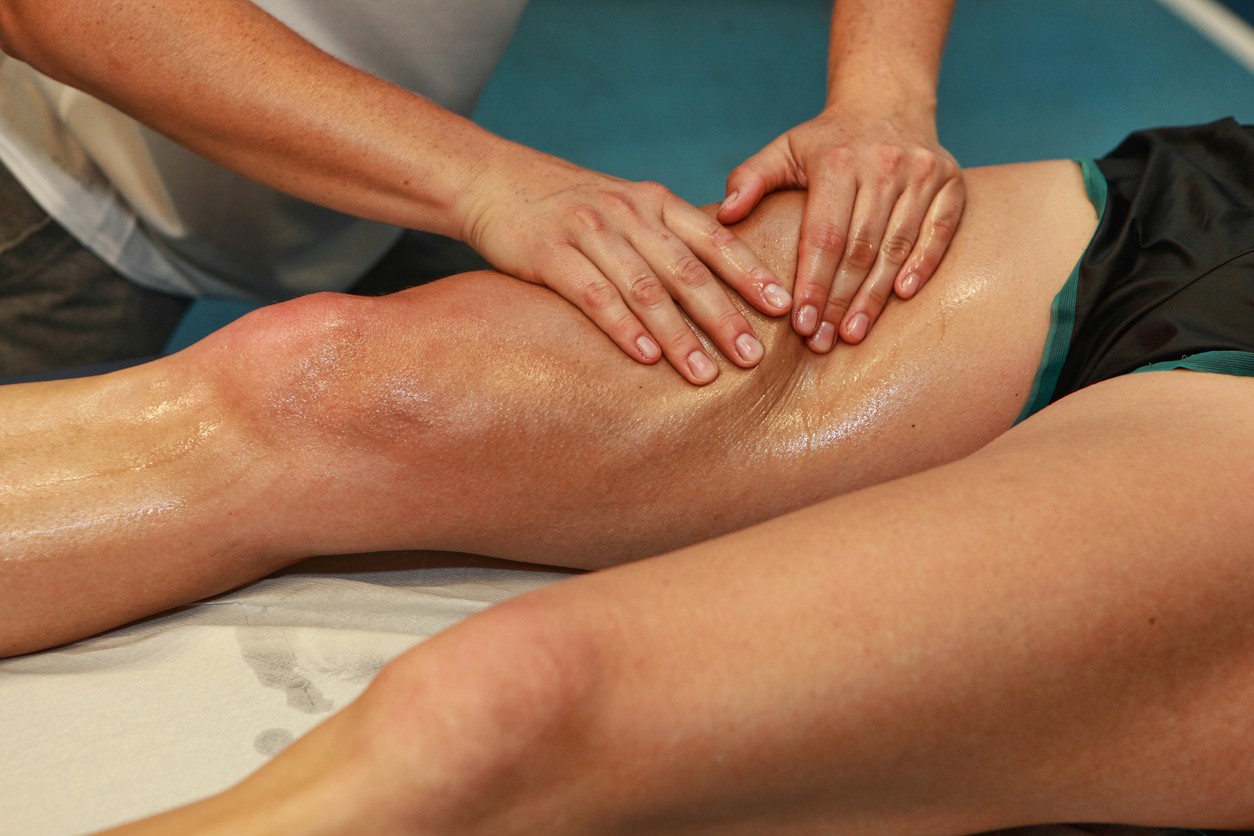
A female massage therapist performs a sports massage on a female runner's thigh.

Key Features of Sports Massage:

  • Performance-oriented: Helps prepare muscles before activity and aids recovery afterward.
  • Dynamic techniques: Includes stretching and mobilization, not just pressure.
  • Sports injury prevention: Targets muscle groups before dysfunction becomes pain.
  • Adaptable: Can be adjusted based on where you are in your training cycle — pre-event, post-event, or maintenance.

What Is Deep Tissue Massage?

Deep tissue massage focuses on realigning deeper layers of muscles and connective tissue. It’s often recommended for chronic pain, postural problems, or specific areas of tension that aren’t responding to lighter therapeutic techniques.

This style uses slow strokes, sustained firm pressure, and specific maneuvers that reach below the superficial muscle tissue to the deeper layers where chronic knots and adhesions can form.

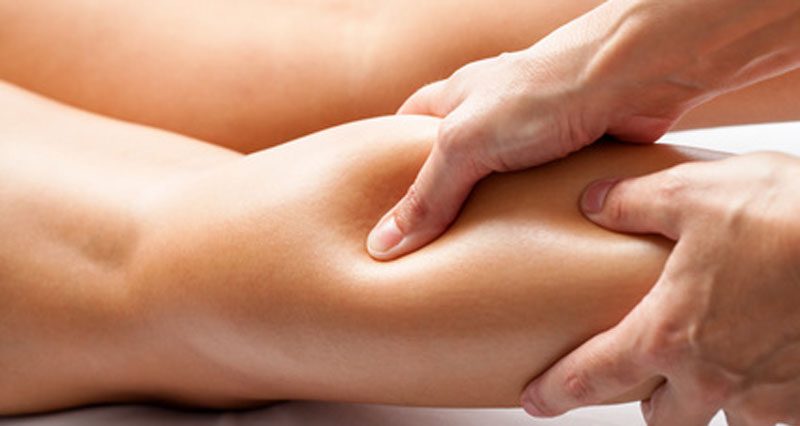
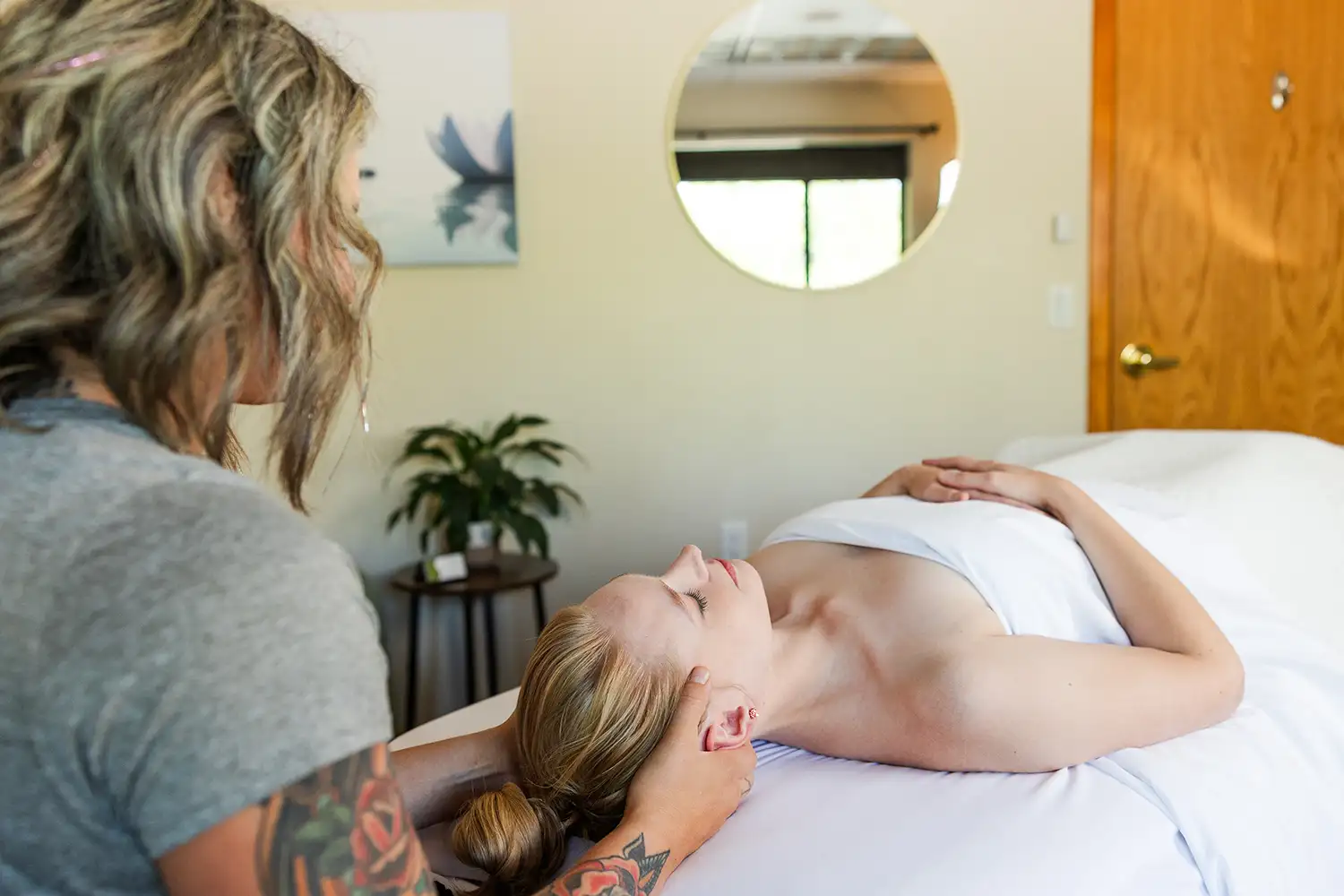
A female massage therapist performs deep tissue massage on the back of a female patient.

Key Features of Deep Tissue Massage:

  • Pressure-focused: More intense than a relaxation massage to reach deeper muscle layers.
  • Pain relief: Great for chronic muscle tension and stubborn tightness.
  • Structural correction: Can help break down adhesions and improve movement patterns.
  • Therapeutic, not just relaxing: Many clients find it intense but effective for long-term issues.

Sports Massage vs. Deep Tissue Massage: What’s the Difference?

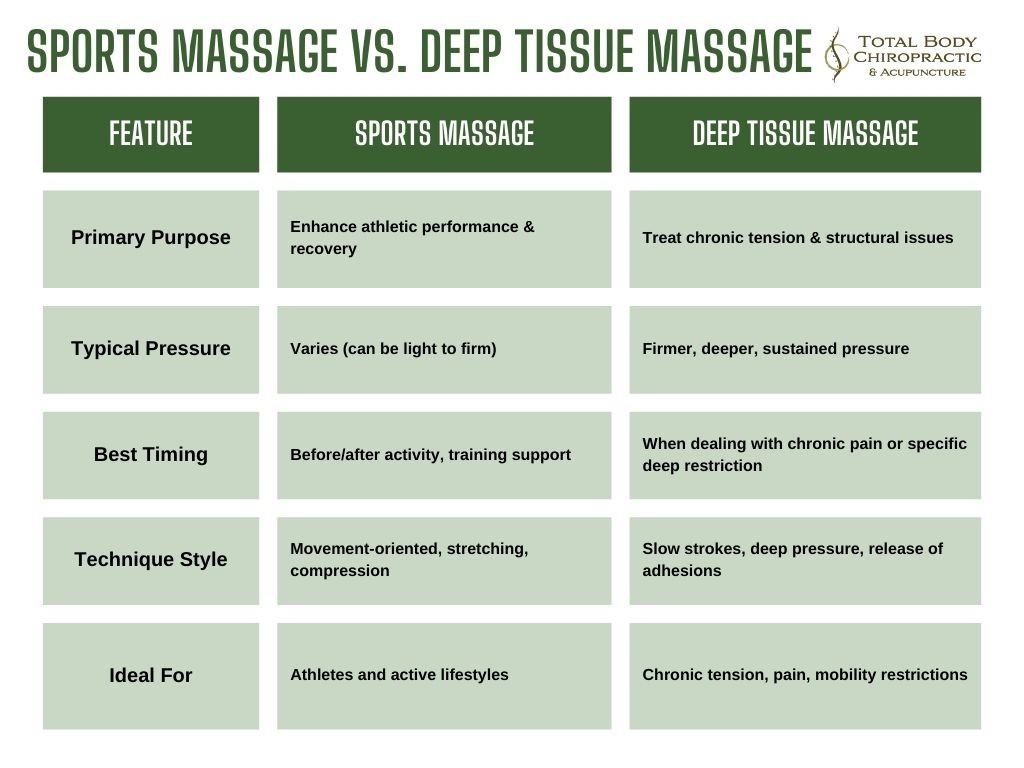
At first glance, these two therapies might seem similar — both involve hands-on manual manipulation of soft tissue and can be firm in pressure. But their purpose, technique, and timing make them suited for different needs.

A comparison chart of the benefits and differences between sports massage and deep tissue massage.

Sports massage is often integrated into training plans and can be preventative, helping keep athletes performing at their best. Deep tissue tends to be corrective, addressing issues that have built up over time.

Benefits of Sports Massage

Sports massage is more than “feeling good after a workout.” For those with an active lifestyle, especially in a place like Bend where outdoor recreation is a way of life, sports massage can make a practical difference in movement quality and recovery.

1. Enhances Performance: By increasing blood flow to muscles and promoting flexibility, sports massage helps your body perform more efficiently. Before a long run, hike, or bike ride, pre-activity sports massage can prime key muscle groups.

2. Speeds Recovery: After intense activity, your muscles experience microtears and inflammation. Sports massage encourages blood circulation and lymphatic flow, helping your body clear metabolic waste and speed tissue repair.

3. Prevents Injury: Targeted work on problem areas helps identify and correct imbalances before they turn into pain or injury. This is especially valuable if you’re training frequently or pushing your limits.

4. Improves Flexibility: Through assisted stretching and mobilization, sports massage increases joint range of motion — a key component of efficient, injury-free movement.

5. Reduces Muscle Soreness: Delayed onset muscle soreness (DOMS) can slow you down. Massage helps ease stiffness and soreness so you can stay consistent with your activities.

Benefits of Deep Tissue Massage

If you struggle with chronic muscle tension, pain from postural habits, or long-standing movement restrictions, deep tissue massage may be the right choice.

1. Breaks Up Scar Tissue and Adhesions: When muscles repeatedly tighten, they can form dense bundles of tissue that restrict movement. Deep tissue work gently breaks through these adhesions in the muscle fibers, restoring smoother movement.

2. Alleviates Chronic Pain: Many clients come to us with neck, back, or shoulder pain that hasn’t responded to lighter therapies. Deep tissue massage can target the root of tension, not just the surface sensation.

3. Improves Posture and Movement Patterns: By addressing the muscles that pull you out of alignment, deep tissue massage supports better posture — which in turn reduces strain on joints and enhances how your body moves overall.

4. Supports Injury Rehabilitation: When used in coordination with other manual therapies like chiropractic care and therapeutic exercise, deep tissue massage can aid recovery from strains, repetitive use injuries, and compensatory patterns.

Which One Do You Need? Sports Massage or Deep Tissue Massage?

Martika performing ashiatsu massage at total body chiropractic bend oregon.

Choosing between sports and deep tissue massage depends on your goals, activity level, and the type of pain or restriction you’re experiencing.

Choose a Sports Massage If:

✔ You’re training regularly (run, bike, swim, ski, hike, etc.)

✔ You want to improve performance or prevent injury

✔ You want muscle prep before activity or recovery afterward

✔ Your main concern is tight muscles after workouts

Sports massage is ideal for active lifestyles — those who want to stay strong, mobile, and pain-free while enjoying activities unique to Central Oregon living.

Choose a Deep Tissue Massage If:

✔ You have chronic muscle tension or stiffness

✔ You experience recurring pain in the neck, back, or shoulders

✔ You’ve tried lighter massage with limited relief

✔ You want to address long-standing movement restrictions

Deep tissue work benefits those whose discomfort goes beyond typical post-workout soreness — people who want real changes in how their body feels and functions day to day.

How Sports and Deep Tissue Massage Complement Chiropractic Care

At Total Body Chiropractic in Bend, we believe in an integrated approach to healing and performance. Chiropractic care, exercise therapy, and massage each offer unique benefits — but together, they’re stronger.

Chiropractic Adjustments Improve Joint Function: Our chiropractors in Bend use precise adjustments to restore proper alignment and joint mobility. When joints move freely, muscles don’t have to compensate — reducing strain and improving posture.

Massage Prepares the Muscles: Sports or deep tissue massage works on soft tissues — muscles, fascia, and connective tissue — to reduce tension and increase flexibility. This makes chiropractic adjustments more effective and longer lasting.

Improved Muscle Balance: Massage helps muscles relax and lengthen, chiropractic treatment ensures joints are aligned properly, and therapeutic exercise strengthens the movement patterns you need to prevent future issues. This combination boosts performance and minimizes setbacks. For example, after a marathon, sports massage helps your muscles recover while chiropractic care addresses spinal alignment and nervous system function. If you’ve had chronic low-back stiffness, deep tissue massage loosens the tension while chiropractic adjustments correct joint mechanics and improve how you stand, walk, and move.

Better Pain Management: Many people come to us with persistent discomfort. Chiropractic care helps reduce nerve irritation and improve alignment, while massage alleviates muscle tension that often contributes to pain. Together, they create a comprehensive path to relief.

What to Expect in a Session

Whether you choose sports massage or deep tissue massage, we want you to feel informed and comfortable with what’s involved.

Sports Massage Session

  • Discussion of your goals, recent activity and individual needs
  • Warm-up techniques and muscle assessment
  • Combination of compression, stretching, and mobilization
  • Targeted work on specific muscle groups
  • Tips for recovery (hydration, stretching, self-care

Deep Tissue Massage Session

  • Focused assessment of chronic tension areas
  • Sustained, slow pressure to release deeper muscle layers
  • Work on adhesions and areas of restriction
  • Post-session care guidance (hydration, heat/ice, gentle movement)

Both types of massage are performed by our trained, compassionate therapists who tailor the session to your comfort and goals.

How to Choose What’s Best for You

Here are a few questions to ask yourself (or bring to your appointment):

  1. Is your pain recent and activity-related? Sports massage might help you recover faster and stay active.
  2. Is your pain long-standing or recurring? Deep tissue massage could be more effective at addressing the underlying tension.
  3. Are you training for an event or performance goal? Sports massage fits well into training plans.
  4. Does your discomfort feel structural or deep? Deep tissue assists with deeper muscle layers and chronic restrictions.
  5. Do you also want alignment work? Combine massage with chiropractic care for best results.

Our chiropractors in Bend and massage team will help you decide the most effective path forward — customized for your body and lifestyle.

Take the Next Step Toward Better Movement and Less Pain

Whether you’re dealing with performance-related muscle soreness or deeper, persistent tension, sports massage and deep tissue massage both play valuable roles in your wellness plan. When paired with expert chiropractic care from our team in Bend, they create a powerful partnership that helps you feel better, move better, and stay active in the ways you love.

Ready to feel the difference? Contact our massage therapists at Total Body Chiropractic today to schedule your evaluation and discover the best massage approach for your needs. Your body — and your next adventure — will thank you!

A man sits on a sofa in front of a Christmas tree grimacing with lower back pain from holiday stress.

Prevent Holiday Back & Neck Pain with Chiropractic Care

The holiday season brings plenty to look forward to — festive gatherings, travel, decorating, skiing with the family, and cozy evenings by the fire. But along with the cheer, it often brings something else: lower back pain, stiff necks, tight shoulders and mid-back tension.

At Total Body Chiropractic in Bend, we see it every year. Patients who felt fine in early fall suddenly return with flare-ups from:

  • Poor posture from travel and long sitting stints
  • Sleeping in different beds or on couches
  • Lifting decorations, groceries, and gifts
  • Stress and tighter muscles
  • Winter sports like skiing and snowboarding
  • Cold temperatures that tighten muscles and joints

Even if you don’t usually experience discomfort, the shift in routine, added physical load, and stress of the season can challenge your spine and nervous system. That’s why now is the time to get ahead of it. Regular chiropractic care builds strength, mobility, and nervous-system balance — so your body handles the holiday bustle with ease rather than strain.

Let’s explore how our Bend chiropractors can help your overall health and set you up for a comfortable, energetic season.

Why the Holidays Create the Perfect Storm for Back & Neck Pain

Between November and New Year’s, most routines change. Even healthy habits — exercise, stretching, hydration, sleep — may shift. Combine that with physical strain, and the body notices.

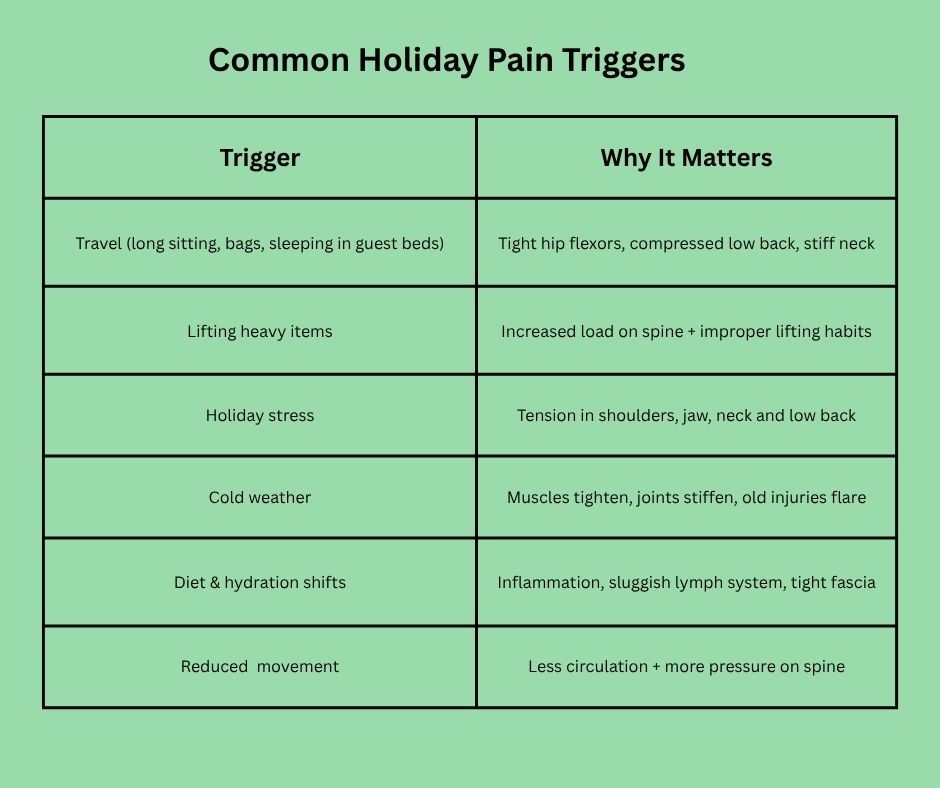
Before you deck the halls, it helps to know what can throw your body off balance. Here are the most common holiday pain triggers — and why they matter.

A table depicting common holiday pain triggers and the chiropractic problems they cause.
If we go into the season already tight or misaligned, this added load stacks quickly — and results in aches and pain.

How Regular Chiropractic Care Helps You Stay Ahead of Pain

Chiropractic treatment isn’t just about relieving symptoms — it’s about optimizing how your spine and nervous system function so you stay active, mobile, and comfortable.

Key Benefits of Starting Care Before the Season

✅ Keeps joints mobile and aligned Healthy spinal motion reduces strain from increased activity and travel.
✅ Helps muscles relax and move better Adjustments support better muscle balance so tension doesn’t accumulate.
✅ Reinforces proper posture and movement patterns Prevents the slouch-snowball effect during travel and busy days.
✅ Improves nervous-system function A healthy spine supports a healthy nervous system, improving stress resilience.
✅ Prevents flare-ups instead of reacting to them Address tightness and misalignments before they become painful problems.
✅ Supports immune & recovery function Better alignment supports the body’s natural healing processes — especially important during cold and flu season.

You’re not just preparing for holiday stress — you’re boosting long-term wellness and resilience.

What to Expect From a Holiday Wellness Care Plan

At Total Body Chiropractic, your care plan is personalized. But most people benefit from:

Early Fall

  • Spinal alignment + mobility
  • Nervous system support
  • Massage therapy to address muscle tension
  • Corrective exercises to support your structure

Through the Holiday Season

  • Maintenance chiropractic adjustments
  • Ongoing muscle and fascia work (as needed)
  • Simple stretches and posture routines
  • Guidance for lifting, travel, and winter sports

This helps your body stay strong, aligned, and comfortable — even when life gets busier.

Tips for Protecting Your Back & Neck This Season

A woman practices yoga stretches in an airport with passengers looking on.

You play a role in protecting your body too. Small habits go a long way.

When Traveling

  • Use lumbar support or a rolled towel
  • Take frequent breaks to stretch hip flexors and calves
  • Pack light — or distribute weight across multiple bags
  • Stay hydrated (your muscles will thank you)

When Decorating or Lifting

  • Lift with your legs, not your back
  • Keep items close to your body
  • Avoid twisting while lifting
  • Take breaks to stretch if climbing ladders or reaching overhead

For Stress & Tight Shoulders

Try mini-reset routines during the day:

  • Shoulder rolls
  • Chin tucks
  • Upper-back breathing (expand ribs, not shoulders)
  • Gentle neck stretches

Even one minute helps reset posture and tension.

Holiday Chiropractic FAQs

Colton performing a spinal adjustment at Total Body Chiropractor in Bend Oregon

  1. Is it better to wait until I feel pain to get adjusted? Pain often appears after misalignment or muscle imbalance has already built up. A proactive treatment plan prevents flare-ups and keeps you feeling your best.
  2. How often should I come in before the holidays? It depends on your needs, but many people benefit from weekly or bi-weekly care leading up to and during the busy season.
  3. Will chiropractic care help with winter sports? Yes — alignment improves mobility and reduces strain. Many outdoor athletes visit us to prep for ski and snowboard season.
  4. Can chiropractic support my immune system? The nervous system plays a key role in immune balance. Many patients feel more resilient with consistent care.
  5. What if I already have pain? We’ll meet you where you are — and create a treatment plan to relieve discomfort, restore mobility, and rebuild strength.

Key Takeaways

  • Starting chiropractic care before the holidays reduces stress-related pain
  • Spine alignment + nervous system support builds physical resilience
  • Travel, lifting, stress, cold weather, and routine changes increase risk
  • Regular adjustments, soft tissue work, and movement coaching matter
  • Preventive care = easier, more enjoyable, pain-free holidays

Your body works hard — and this time of year asks a lot from it. Our experienced chiropractors can help you finish the year feeling energized and pain-free, not stressed and stiff. Make your fall adjustment appointments now at Total Body Chiropractic in Bend and give yourself the gift of comfort, mobility, and ease — so you can focus on what matters most this season.

A woman lays on the couch, blowing her nose from being sick with cold and flu.

How Chiropractic Care Helps Boost Your Immune System This Cold & Flu Season

As the days grow shorter, the air cooler and festive gatherings begin, we’re reminded that cold & flu season is upon us. It’s the time of year when many of us slip into high gear: shopping, travel, family meals, late nights and holiday light displays. All of which is fun, but also potentially stressful on our bodies. At Total Body Chiropractic, our mission is to support your body’s natural resilience — and right at the top of that list is your immune system.

In this post, we explore how manual adjustments, in conjunction with laser therapy and massage, supports a healthy immune system. And yes, it’s not just about “back pain relief”; there’s a strong connection between spinal health, nervous system function and immune resilience. If you’re looking to head into the holidays with a strong immune system and ready to enjoy every moment (without being sidelined by a bug), read on.

The Nervous System, Immune System & Why Your Spine Matters

A man sneezes with a tissue in the office while holding a cup of tea at his computer.

The human body doesn’t compartmentalize quite as neatly as we sometimes assume. Your nervous system and immune system are deeply intertwined. Here’s a quick overview:

  • The nervous system controls and coordinates everything in your body. The spinal cord is the major highway of that system.
  • The autonomic nervous system (ANS), with its sympathetic (fight-or-flight) and parasympathetic (rest-and-digest) divisions, directly influences how your body reacts to stress, recovers and maintains balance.
  • The immune system, which defends against viruses, bacteria and other threats, performs best when the nervous system is well-regulated and the body is in a state of homeostasis (balance).

When your spine is misaligned, under stress or your nervous system is overloaded (from poor posture, trauma, chronic tension or even seasonal stress), it can reduce communication efficiency across the nervous system. Poor nervous system function can hamper immune responses, making you more vulnerable to illness. Regular adjustments by our Bend chiropractors help restore proper spinal alignment and nervous system flow, support posture, reduce stress load and thereby strengthen immune resilience.

Chiropractic Adjustments for Immunity: What the Research Suggests

Colton performing a spinal adjustment at Total Body Chiropractor in Bend Oregon

While many come into our office for pain relief, the immune-support benefits of chiropractic care are gaining more attention. A few key points:

  • Spinal misalignments (subluxations) can interfere with nerve root and spinal cord communication. When nerve signaling is suboptimal, internal regulation (including immune system modulation) may be less effective.
  • Spinal manipulation restores proper alignment, promotes normal nerve flow, decreases mechanical stress and supports parasympathetic (“rest and rebuild”) functions.
  • Emerging studies indicate that regular chiropractic care may be associated with improved immune markers, though the field is still growing and more research is needed.

At Total Body Chiropractic in Bend, our approach is holistic: we don’t just “crack backs” and send you out. We evaluate physiology, muscle tension, nerve function, biomechanics and lifestyle factors. Our licensed Bend chiropractors design a personalized plan so your nervous system functions at peak capacity and your immune defense is ready for whatever the season throws at you.

Laser Therapy: A Next-Level Immune Support Tool

In addition to spinal adjustments, we offer advanced treatment modalities such as therapeutic laser therapy for musculoskeletal issues. At our Bend chiropractic clinic, this is part of the support system for immunity, recovery and overall wellness.

  • Laser therapy uses low-level light (cold laser) to penetrate into tissues, promote cellular repair, reduce inflammation and improve circulation.
  • Better circulation and lower inflammation help optimize immune system performance—after all, immune cells travel through your bloodstream and lymphatic system and benefit when tissue environments are healthy.
  • While many think of laser therapy primarily for pain or sports injuries, its secondary benefit of enhancing tissue health and recovery means it’s a great tool during cold & flu season.

By combining adjustments with laser therapy, our Bend chiropractors create a synergistic effect: spinal-nerve optimization plus accelerated tissue healing and reduced stress on the body’s systems. The result? A body better primed for immunity, resilience and holiday energy.

The Vital Role of Massage Therapy in Immune Health

Now let’s talk about massage therapy, an often overlooked treatment option in the context of immune support, yet a vital—and enjoyable—component of wellness.

At Total Body Chiropractic, our massage services are expansive: Swedish, deep tissue, Ashiatsu, myofascial release, trigger-point therapy, energy-medicine massage, cupping, and more.

Here’s how massage therapy boosts immune and nervous system health:

  • Reduces stress hormones. When you’re stressed, your sympathetic nervous system takes over and high levels of cortisol and adrenaline suppress immune function. Massage triggers parasympathetic (rest) mode.
    Improves circulation and lymphatic flow. Immune cells accumulate, travel and function better when circulation and lymph flow are optimal. Massage helps flush metabolic waste and enhance fluid movement.
  • Relieves muscle tension and postural strain. Tension in the neck/shoulders and tightness from holiday prep (think lifting, decorating and shopping) create mechanical stress that distracts the nervous system. Massage clears that away.
  • Enhances overall vitality. Feeling good physically reduces stress load on the body, allowing your immune system to spend more “bandwidth” defending instead of compensating.
    When you combine chiropractic adjustments, laser therapy, and massage at our clinic in Bend, you create a holistic triad of support that strengthens nerve function, enhances tissue health, and promotes overall balance. It’s how we help you step into the holidays feeling your best—energized, centered and thriving.

Practical Wellness Tips from Your Bend Chiropractor

Here are actionable recommendations you can start today, along with how we at Total Body incorporate them into your care plan:

1. Prioritize routine adjustments
If you’ve never had a chiropractic adjustment before, now’s a perfect time. Even for those already under care: consider scheduling a tune-up as seasons change. Ask us about adjustment frequency and how we tailor that based on your stressors, posture, lifestyle and immune goals.

2. Add laser therapy sessions
Ask about our therapeutic laser offerings—especially if you’ve had muscle strain, prior injuries or you’re entering a busy travel and hospitality schedule. Laser helps your body recover faster and reduce latent stress.

3. Integrate massage therapy
We recommend scheduling a massage session at least once during the season and more frequently if your schedule is high-stress (e.g., commuting, travel, lifting, event planning). Choose a massage technique based on your needs: Swedish for general relaxation, deep tissue for lingering tension or myofascial for connective-tissue health.

4. Support your lifestyle
A strong immune system doesn’t rely on one factor alone; it thrives when supported by a balanced wellness routine that includes quality sleep, nourishing foods and regular exercise. These everyday habits work hand in hand with chiropractic care to keep your body resilient and ready for the season ahead.

  • Sleep: Aim for 7-9 hours; poor sleep depresses immune function.
  • Proper Nutrition: Choose nutrient-dense foods (leafy greens, lean proteins, nuts, berries) to fuel your immune system.
  • Hydration: Proper fluid flow supports lymphatic drainage and immune cell mobility.
  • Movement: Regular low-impact exercise (walking, hiking, stretching) keeps circulation strong and stress low.
  • Stress management: Incorporate mindfulness, breathing, or meditation. A well-regulated nervous system is an immune system’s best friend.

5. Monitor and adapt
As your Bend chiropractors, we’ll evaluate how your body responds to care. Are you feeling more energetic? Less tense? Recovering faster from minor stresses? If you’re traveling, get sick more often, feel “run-down,” we’ll adjust your plan accordingly.

Why Now? Why Pre-Holiday Immune Prep?

A large multi-cultural family gathers around the Thanksgiving table.

The weeks leading into the holidays often mean schedule changes, travel, weather shifts, increased social gatherings, late nights and sometimes heavier meals. This transition period is a perfect storm for immune vulnerability—and the last thing you want is to be sidelined by a cold or flu when you should be celebrating.

By starting your care plan now with our Bend chiropractors, you’ll enter the holiday season with:

  • Fewer mechanical burdens on your spine and nervous system.
  • More efficient nerve signaling, which supports immune readiness.
  • Reduced tissue stress through laser and massage, translating into less “internal burden” on your body’s systems.
  • A proactive stance rather than reactive care.

In short: instead of “fixing” after you get sick, we’re helping you build resilience so you don’t get sick just when you need your body’s best performance.

What to Expect at Your Visit to Total Body Chiropractic in Bend

When you come to our clinic, here’s a snapshot of the experience:

  1. Initial evaluation. We’ll review your health history, lifestyle changes, stressors, posture, and any current tension or pain.
  2. Spinal assessment and chiropractic adjustment. Using our hands-on approach, we deliver precise adjustments tailored to your anatomy and nervous-system needs.
  3. Laser therapy option. If appropriate, we’ll apply therapeutic laser to identified areas to boost cellular healing and reduce tissue stress.
  4. Massage therapy session. Depending on what you need—relaxation, deep-tissue release or myofascial work—we’ll schedule it within the same visit or recommend follow-up care.
  5. Holistic plan discussion. We’ll work with you to design a short-term immunity-support plan: recommended frequencies for adjustments, laser and massage, plus lifestyle guidelines.
  6. Follow-up & monitoring. As you progress, we’ll reassess and adjust based on how your body is responding (less tension, better sleep, more energy and fewer “down” days) and adapt your care frequency accordingly.

Let’s Get You Holiday-Ready

Don’t wait until you feel “off” to schedule an appointment. Building resilience before you hit disruption is the smart path for your overall health. Schedule an appointment today at Total Body Chiropractic in Bend. Let’s partner together on a chiropractic treatment plan to ensure your central nervous system functions optimally, your tissues are healthy and your immune system is ready for the season ahead. Give us a call and take the first step toward a healthy holiday with confidence.

A close up view of an African American female runner in a gray hoodie holding her lower back due to back pain.

How Massage Therapy Complements Chiropractic Care for Sciatica Relief

Living with Sciatica feels like carrying around an invisible weight that drags you down with every step that you take. The pain starts as a dull ache in your lower back but quickly travels through your hips, buttocks, and down your leg, or even all the way down to your foot. This isn’t just discomfort, it’s a disruption to your daily rhythm, your mobility, and even your sleep.

At Total Body Chiropractic in Bend, Oregon, we value how painful sciatica affects your daily life. That’s why our Bend chiropractors combine targeted spinal manipulations with therapeutic massage for sciatica pain, giving you a complete treatment plan that tackles both the cause and the symptoms for long-lasting relief.

What is Sciatica and Why Does it Happen?

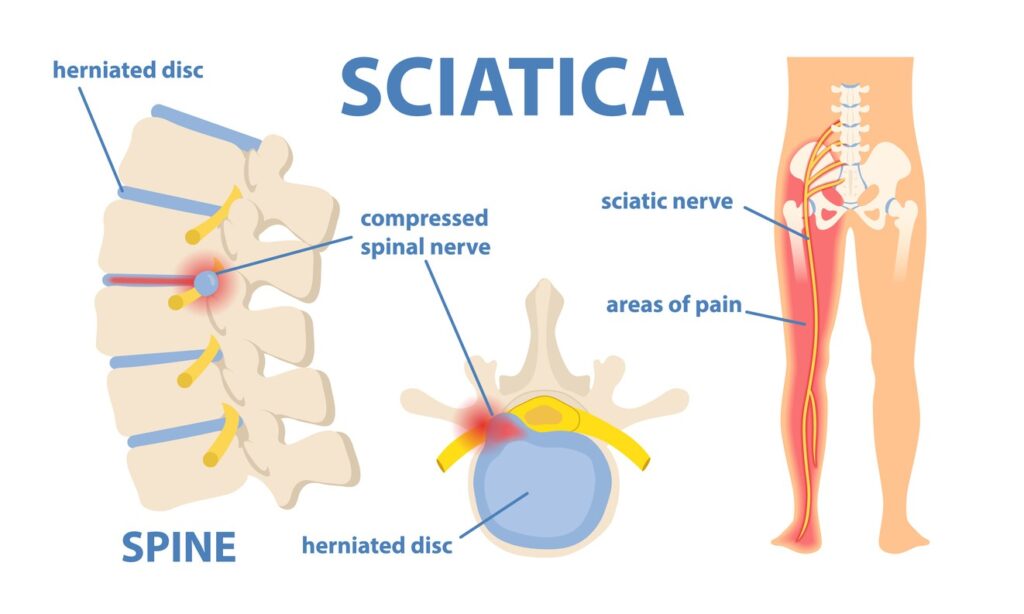
Before you find out why it happens, it’s important to know that your sciatic nerve is the longest nerve in the entire human body, running from your lower back through your hips and all the way down each leg. When this nerve becomes compressed, inflamed, or irritated, it presents as a set of symptoms, collectively called “Sciatica”.

Sciatica symptoms move beyond pain: you might feel various sensations, tingling, numbness, or muscle weakness in your leg or foot. Long walks become more exhausting and painful, sitting for work feels totally unbearable, and daily activities that you loved doing once seem to be out of reach.

An graphic depicting where sciatica occurs in the human anatomy.

Common causes of sciatic nerve pain include:

  • Herniated Disc: When the cushion-like disc between vertebrae bulges or ruptures, it presses on the nerve roots.
  • Piriformis Syndrome: Tightness or spasms in the piriformis muscle can irritate the sciatic nerve.
  • Spinal Stenosis: Narrowing of the spinal canal that crowds the nerve.
  • Degenerative Disc Disease: Wear-and-tear changes in spinal discs can put pressure on nerves.
  • Pelvic Misalignment or Poor Posture: Everyday habits can gradually lead to nerve compression.

Why a Combined Approach Works

Many patients typically try one therapy at a time, whether it’s chiropractic care or massage therapy, only to find the relief isn’t that effective in the long run. That’s because sciatica often involves structural issues and soft tissue problems such as muscle stiffness and inflammation. Entertaining only one side of the problem leaves the other side to cause the pain once again.

When they are used together, this holistic approach not only reduces sciatica pain; it addresses the underlying cause and prevent future flare-ups.

A senior man sits on the couch holding his lower back in pain from sciatica.

Here’s where our Bend chiropractors’ combined approach makes a significant difference:

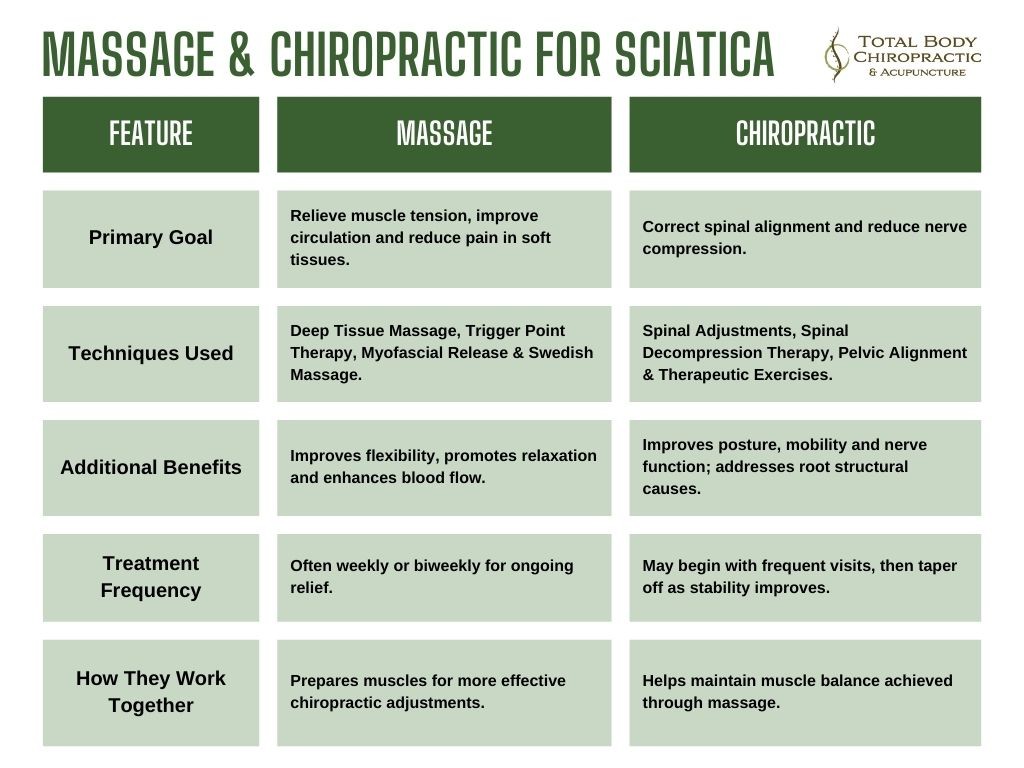
  • Chiropractic adjustments focus on restoring proper alignment of the spinal cord, reducing nerve compression, and improving joint mobility.
  • Massage therapy targets tight muscles and fascia, improves circulation, and calms inflammation, creating the ideal environment for nerves to heal.

Think of it like this:

  • Adjustments free up the nerve pathway so that your body can move naturally.
  • Massage releases tension in the muscle around that pathway so that your adjustments hold longer and you stay free from pain for more time between visits.

This dual approach matches perfectly with our entire body-wellness philosophy, helping you feel better, move better, and live better, not just today, but in the months and years to come.

How Massage Therapy Complements Chiropractic Care for Sciatica Relief

What most people think about massage, they start imagining the relaxation, spa music, and maybe a scented candle or two. We agree that relaxation is a wonderful time to connect. Therapeutic massage for sciatica pain goes further; it’s a targeted hands-on approach to reduce muscle tightness in the affected area, improve blood flow, and help your body to heal.

Our professional massage therapists customize every session based on your symptoms, activity level, and recovery goals. There is no “one-size-fits-all” approach; your massage is as unique as your body type.

Massage Therapy’s Role in Sciatica Care

When the muscles around your hips, lower back, and glutes tighten up, they pinch and irritate the sciatic nerve. This tension then creates a cycle of lower back pain and inflammation that does not go away on its own. Massage therapy breaks it down by:

  • Releasing tight muscles that contribute to nerve compression, especially in the piriformis and hamstrings.
  • Improving flexibility and range of motion, making movement easier and less painful.
  • Boosting circulation, which delivers oxygen and nutrients to injured tissues for faster healing.
  • Reducing inflammation and muscle spasms that keep the nerve.

A comparison chart showing how massage and chiropractic work together to relieve sciatica pain.

Massage Techniques for Sciatica

Here, the goal isn’t just to make you feel good and relaxed during the massage; it’s to create a muscle environment that supports lasting nerve health.

  1. Deep Tissue Massage: Works through multiple muscle layers to release chronic tension and adhesions.
  2. Trigger Point Therapy: Targets small, hyper-irritable spots in muscles that refer pain down the leg.
  3. Myofascial Release: Loosens the fascia (connective tissue) surrounding tense muscles, reducing stiffness.
  4. Sports Massage: Perfect for Bend’s active outdoor community, helping athletes recover from strain and maintain performance.

Chiropractic Techniques for Sciatica

While the massage addresses muscle tension, chiropractic care focuses more on perfecting the spinal alignment and restoring normal nerve function. Our Bend chiropractors use a wide range of techniques to make this process safe and effective, reducing sciatic nerve irritation.

Key methods include:

  • Spinal Adjustments (Manual and Instrument-Assisted): These subtle but gentle movements realign the lumbar spine, taking the pressure off the sciatic nerve and improving your body’s natural range of motion.
  • Spinal Decompression Therapy: Using a specialized table, the spine is gently stretched to create space between the vertebrae. This relieves pressure on compressed discs, reduces nerve irritation, and promotes nutrient-rich fluid flow for healing.
  • Shockwave Therapy: Delivers high-energy acoustic waves to the affected area, stimulating blood flow, accelerating tissue repair, and breaking down scar tissue that may contribute to sciatic pain.
  • Laser Therapy: Uses targeted light energy to penetrate deep into tissues, reducing inflammation, relieving pain, and supporting faster cellular healing in muscles and nerves.
  • Pelvic Alignment Adjustments: Correct imbalances in your hips and pelvis that can lead to uneven weight distribution and nerve irritation.
  • Therapeutic Exercises: Guided stretches and strengthening moves to support spinal health, improve posture, and reduce recurrence risk.

These techniques are made with keeping the patient’s comfort in mind. We avoid any aggressive, forceful movements and instead focus on more accurate, precise, and targeted body movements, which are optimal for you.

Also, once you combine the massage therapy and chiropractic adjustments, you will be getting double benefits. The muscle then relaxes, and so will the adjustment, making it much easier to hold longer, and the spine stays aligned, so the muscles don’t stiffen back there.

How the Two Therapies Work Together

Once you are scheduled for chiropractic care and massage for sciatica pain, you are not just getting two different treatments; you’re getting a full strategic plan for faster and more complete recovery.

Here’s how the combination works:

  • Massage prepares your muscles by loosening the tight fibers, reducing inflammation, and improving the overall circulation. This means when you step into your chiropractic adjustment, your muscles are out of stress and now ready for a proper alignment.
  • Adjustments help maintain muscle balance by keeping your spine and pelvis in the correct position. This stability helps the benefits of massage last a bit longer.
  • Pain relief happens much faster because the structural and muscular causes of sciatica are addressed in accordance.
  • Recovery speed improves since your body isn’t constantly fighting against unresolved tension or misalignment.

A female runner stands on a trail holding her lower back from sciatica pain.

Imagine a runner setting out early on a crisp Bend morning. The pine-scented air is cool, the sun is just starting to light up the Cascade peaks, and the trail winds ahead in a perfect ribbon of dirt. But before long, each step sends a sharp, shooting pain from the lower back down the leg — the unwelcome grip of sciatica.

That’s where the combined power of massage and chiropractic care comes in.

  1. Loosen the Grip
    A skilled massage therapist works into the tight glutes, hamstrings, and lower back muscles that have been locking down with every climb and descent. The tension melts away, circulation improves, and the body starts to feel light and ready again.

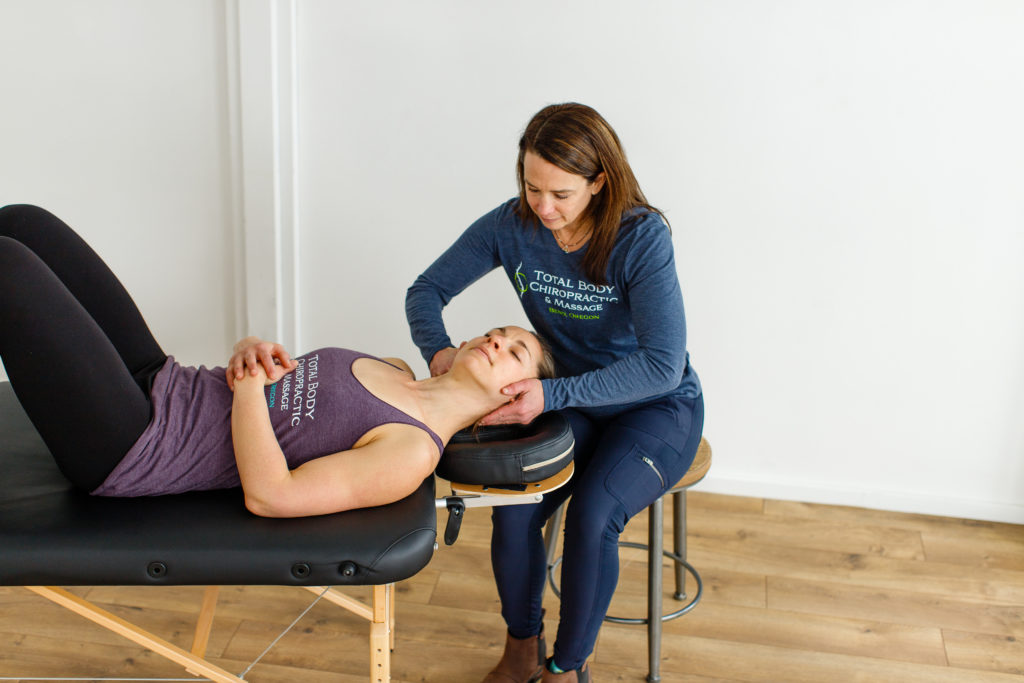
  2. Restore the Alignment
    With muscles relaxed, a chiropractic adjustment realigns the spine and pelvis, taking pressure off the sciatic nerve. The joints move freely, and the body feels balanced — like all the moving parts are finally working together again.
  3. Back on the Trail
    The combination doesn’t just ease pain in the moment — it speeds up recovery, keeps the benefits lasting longer, and reduces the chance of the same problem flaring up again. Before long, that same runner is back on the trail, stride smooth and strong, enjoying Bend’s sweeping views without a thought of sciatica.

What to Expect at Total Body Chiropractic

Your experience at our Bend clinic is designed to be professional and welcoming. We want you to feel confident and cared for every step of the way.

Here’s what you can expect:

  1. Comprehensive consultation: We assess your medical history, lifestyle, and symptoms to exactly pinpoint the cause of your sciatica.
  2. Collaborative care plan: Our chiropractors and massage therapists work closely to create a personalized strategy.
  3. A thorough communication: You’ll receive progress updates, at-home recommendations, and the ability to adjust your plan as needed.
  4. Focusing on the long-term results: Our goal isn’t just to get you out of pain; it’s to keep you there.

Sciatica Self-Care Between Visits

To keep your recovery moving forward, we recommend incorporating these habits into your routine. Start practicing.

Targeted stretches:

  • Piriformis stretch to relieve muscle pressure on the nerve.
  • Hamstring stretch to ease tension in the back of the leg.
  • Hip flexor stretch to improve pelvic alignment.

Posture tips:

  • Keep feet flat on the ground while sitting.
  • Avoid prolonged leg crossing.
  • Use a supportive chair or lumbar cushion.

Gentle activities:

  • Low-impact exercises like swimming, walking, or yoga.
  • Avoid high-impact sports until pain-free.

Nutrition & hydration:

  • Stay hydrated to keep spinal discs healthy.
  • Eat anti-inflammatory foods like berries, salmon, and leafy greens.

Lasting Relief Is Possible, Let’s Get Started

Living a life that is filled with pain and restricted by sciatica leaves you in uncertain conditions. By combining targeted chiropractic adjustments with the complementary therapy of massage, our Bend chiropractors can set you free from the pain and get you back to the healthy lifestyle you loved.

At Bend Total Body Chiropractic, we believe in restoring your mobility, preventing any future flare-ups, and helping you feel your absolute best so that you can move freely and confidently without any hesitation every single day.

Time to book your appointment and work together to make your sciatic pain a thing of the past, because you deserve a life that is far and free from pain and stress.


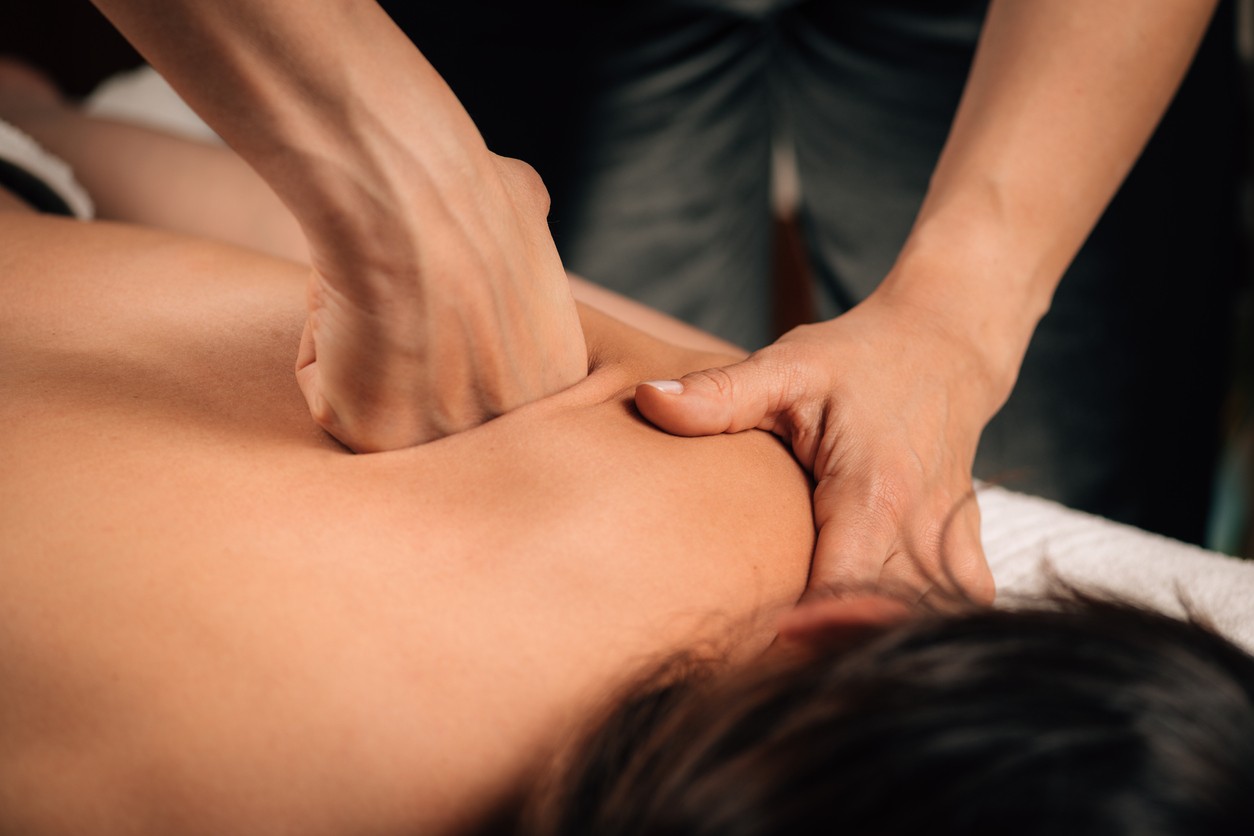
deep-tissue-massage-on-back

Benefits of Deep Tissue Massage in Chiropractic Care

You’re an outdoor-loving Bend local. Your weekends are filled with hikes up Pilot Butte, long bike rides through the Deschutes National Forest, or paddleboarding on the river. You spend your weekdays juggling Zoom meetings, family responsibilities, and errands—all while trying to stay active and healthy.

But lately, your shoulders have been stiff. Your lower back feels sore by mid-afternoon. Your neck cracks a little too easily when you turn your head. You’ve tried stretching, bought the fancy ergonomic chair, and even experimented with those self-massage tools. But the pain? It keeps coming back.

If that sounds familiar, you’re not alone.

At Total Body Chiropractic in Bend, we witness this story unfold every day. Our patients are motivated, busy, and health-conscious. They’re not looking for a quick fix—they want real pain relief that lasts. And while chiropractic adjustments do wonders for realigning the spine and restoring movement, we’ve found that true, long-lasting results often come from a deeper place.

That’s where deep tissue massage comes in.

Let’s break it all down—what deep tissue massage actually is, how it pairs with chiropractic care, and why this combo might be the best thing you do for your body this year.

What Is Deep Tissue Massage?

Most people hear “massage” and immediately think of relaxing spa music and light pressure gliding across their back. That’s a Swedish massage—great for general relaxation and de-stressing.

Deep tissue massage is a whole different experience.

This massage technique focuses on the deeper layers of muscle fibers, fascia (the connective tissue surrounding muscles), and tendons. The pressure is firm, deliberate, and purposeful. It’s designed for the following.

  • Break up adhesions (those stubborn knots and tight spots)
  • Improve blood flow to tense areas
  • Reduce inflammation
  • Help the body repair and heal

But here’s the key: It’s not just about firm pressure. A skilled massage therapist doesn’t just press with brute force—they use slow strokes with intention, using hands, elbows, and tools to access deeper tension in a safe and controlled way.

Yes, it can feel intense. But when done right, the deep strokes leaves you feeling lighter, looser, and far more mobile. For many people with chronic pain and muscle soreness, it’s a game-changer.

Chiropractic Care – Getting to the Root of the Problem

Before we explore how the two work together, let’s quickly revisit what chiropractic care does.

At its core, chiropractic care is about restoring alignment to the spine and joints, improving nervous system function, and creating more balance throughout your body. It’s not just about cracking backs—it’s about treating the root causes of pain, not merely covering up symptoms.

Whether it’s your posture, sleeping habits, movement patterns, or even past injuries, chiropractors look at how your entire body functions as a system.

Here in Bend, our active, adventurous lifestyle is incredible—but it also means we ask a lot of our bodies. Whether you’re skiing at Mt. Bachelor, lifting weights, or sitting at your desk for long hours, your spine, muscles, and joints are constantly adjusting and compensating.

That’s where chiropractic adjustments come in. They realign your spine, restore joint motion, and take pressure off the nervous system. But when your muscles are locked up with tension?

Adjustments alone might not be enough.

Why Deep Tissue Massage + Chiropractic = Real Results

You can think of your body as a tent. The spine is the pole, and your muscles are the ropes. You can straighten the pole all you want, but if the ropes are pulling unevenly, things stay off balance.

That’s why combining chiropractic adjustments with deep tissue massage creates such powerful results. Here’s how this integrative health approach works.

1. It Helps Your Adjustments “Stick”

Tight muscles can pull your spine right back out of alignment after an adjustment. The sustained pressure of deep tissue massage relaxes those tense areas, helping your adjustments last longer and reducing the need for constant visits. When your muscles are balanced and relaxed, your body holds onto alignment better, meaning fewer flare-ups, less discomfort, and more freedom in your daily movements.

2. It Reduces Muscle Guarding

When we experience pain, our bodies protect themselves by tightening up—that’s called guarding. Massage helps loosen that guarding reflex, allowing your chiropractor to make more effective adjustments with less muscle resistance.

3. It Increases Your Range of Motion

Muscles, fascia, and scar tissue can restrict how far your joints can move. Deep tissue work loosens these restrictions, making it easier to move, stretch, bend, and live pain-free. With improved flexibility and mobility, everyday activities—like reaching for a shelf, tying your shoes, or going for a hike—start to feel effortless again. It’s about restoring ease and confidence in the way your body moves.

4. It Eases Nerve Compression

Muscle tension can pinch nerves, causing tingling, numbness, or shooting pain. Massage helps release the pressure around those nerves, supporting healthier movement and reducing muscle pain.

5. It Speeds Up Healing

Deep tissue massage promotes blood circulation and lymphatic drainage and speeds up the healing process. That means more oxygen and nutrients reach the muscles, and waste products (such as lactic acid) are flushed out faster. If you’ve been dealing with a sports injury or chronic muscle tension, this can seriously speed up your recovery time.

6. It Supports Injury Prevention

Balanced muscles are strong muscles. By regularly releasing tight spots and improving mobility, you’re less likely to suffer sprains, strains, or overuse injuries—especially if you’re into running, hiking, or any kind of sport.

The Bend Lifestyle – Perfect for Massage And Chiropractic Combo

Living in Central Oregon means your body is working hard—whether you’re scaling Smith Rock, skiing in fresh powder, or chasing your pup through Drake Park. Here’s how regular massage therapy supports athletic performance and your active lifestyle.

Outdoor Adventurers

Hiking, mountain biking, kayaking—these are great for the soul but tough on the body. Quads, glutes, and back muscles often carry the brunt of the work. Deep tissue massage helps release built-up muscle tension so you can stay mobile and injury-free.

Remote Workers and Desk Sitters

Hours at the computer often mean tight hips, rounded shoulders, and “tech neck.” Massage loosens the deep postural muscles affected by sitting and helps reset your body to a healthier, more upright position. Over time, this can lead to better circulation, fewer headaches, and a noticeable drop in that end-of-day fatigue that seems to settle into your back and neck.

Stressed-Out Minds

Chronic stress leads to tense muscles and poor sleep. Massage helps your body flip out of “fight-or-flight” mode and into “rest-and-digest,” reducing cortisol, calming the nervous system, and promoting deeper relaxation.

Posture Rebuilders

If you’re working on standing straighter and feeling stronger, massage is your secret weapon. It helps correct muscular imbalances—like tight pecs and weak upper back muscles—that sabotage good posture without you even realizing it.

What Happens During a Deep Tissue Massage at Total Body Chiropractic?

If you’ve never experienced a deep tissue massage—or had a negative one—you might wonder what it’s like. At Total Body Chiropractic in Bend, we do things differently. We prioritize making you feel safe, heard, and comfortable every step of the way. It’s not about pushing through pain—it’s about collaborating with your body to release tension in a way that feels helpful, not punishing.

A male massage therapist performing deep tissue massage on the lower back of a male patient.

Step 1 – Personalized Assessment

Before anything starts, we’ll talk about your goals, your pain, and your movement patterns. Our team creates a tailored care plan that may combine chiropractic adjustments, massage, and even movement education.

Step 2 – Targeted Treatment

Our licensed massage therapists are trained in advanced techniques that go far beyond your average back rub. They’ll use their understanding of anatomy and movement to focus on the muscles that need the most attention.

Communication is key. You’ll never be left gritting your teeth through unbearable pressure—we check in frequently to make sure you’re comfortable.

Step 3 – Post-Massage Care

After your session, you’ll receive simple tips to extend the benefits. That might include hydration, stretches, posture exercises, or recommendations for when to return to your daily activities. Think of this as a collaboration, not just a treatment.

Why It’s Worth It

The truth is that you shouldn’t have to “just live with it.”

Tension, pain, stiffness, and reduced mobility—these issues gradually diminish your quality of life. However, they are not inevitable. With proper care, your body can heal, recover, and feel better than it has in years.

Chiropractic care gets your body back in alignment. Massage therapy keeps it there. Together, they don’t just manage pain—they help prevent it.

Ready to Feel Like You Again?

At Total Body Chiropractic in Bend, Oregon, we’re all about helping you feel good in your body again—whether you’re recovering from an injury, managing chronic tension, or just want to stay active and pain-free for the long haul.

We believe in whole-body healing, not band-aid solutions. That’s why we offer integrated care that’s tailored to your lifestyle, goals, and long-term health.

Take the next step.

Book your deep tissue massage or chiropractic consultation today, and let’s build a wellness plan that helps you move better, feel stronger, and live fully—right here in beautiful Bend.


A black woman sits on the sofa and holds her head from tension headache pain.

Relieve Headaches Naturally with the Power of Chiropractic and Massage

Does your day grind to a halt every time a headache strikes? Headaches easily derail your whole day. They sap your energy and make even simple tasks feel like pushing a boulder up a hill. If you’re a Bend resident who struggles with frequent headaches – and around 1 in 6 Americans do so, too – you’re probably on the lookout for a drug-free path toward lasting relief, right?

Headaches are one of the most common health complaints in the world. They affect people of all ages, genders, occupations, and backgrounds. But you can overcome them naturally. At Total Body Chiropractic in Bend (and surrounding areas), we help you find relief by uncovering the root causes of your headaches.

So, let’s see how many different types of headaches exist. What causes them? How do our chiropractors in Bend help you find relief? What makes massage therapy the perfect treatment?

Let’s explore how you can break free from the cycle of pain and reclaim your life.

Understanding Headaches: Types and Root Causes

Headaches are more common than you think. Nearly 75% of kids get them before turning 16. Migraine attacks make employees miss 4.4 workdays each year. But headaches come in many types; they also stem from a variety of reasons. If you want long-term pain relief from headache symptoms, you must start by understanding the type and its root cause. Getting chiropractic care and massage therapy in Bend will help you find lasting relief.

man-with-headache-at-computer

Common Types of Headaches

  • Tension Headaches: It’s the most common type. You feel a dull, aching pain around your head, like wearing a very tight band. This headache stems from stress. Also, if you spend long hours at a desk or on your phone, you’ll likely suffer from chronic tension headaches.
  • Migraines: A study says that 11.7% to 14.7% of Americans suffer from migraine headaches. This condition can be intense with a throbbing headache. You’ll feel the migraine pain on one side of your head. Migraine symptoms last a few hours or several days, depending on the root cause, including:
    • Light/sound sensitivity
    • Nausea and vomiting
    • Auras (visual disturbances)
  • Cluster Headaches: Cluster ones are rare (1 out of 1,000 people). But they are extremely severe. You will feel a burning, piercing pain around a single eye. Cluster headaches also come in cycles.
  • Cervicogenic Headaches: This type of headache starts with neck pain, slowly radiating to your head. These headaches often stem from neck trauma. Muscle spasms and poor posture may also lead to cervicogenic headaches. These headaches most often occur at the same time every day, like clockwork.
  • Sinus Headaches: These painful headaches cause pressure and pain around your face, chiefly sinuses. If you have a sinus headache, you may also get nasal congestion or infection.

Root Causes of Headaches

  • Poor Posture: When you habitually slouch or hunch over your phone, it weakens the muscles in your back and neck. The result is spinal alignment, ergo muscle soreness and headaches.
  • Stress: High stress levels stiffen the muscles in your neck and shoulders. That’s why stress or depression sets the stage for headaches.
  • Neck Injuries: Whiplash or other neck-related injuries can disrupt the alignment of your cervical spine. As a result, you experience chronic headaches.
  • TMJ Dysfunction: When your jaw joints are in pain, it causes your head to ache as well.
  • Sleep Deprivation: When you don’t get enough sleep (or sleep in an awkward position), you can have throbbing pain in your head.
  • Dehydration: Not drinking enough water or consuming too much coffee can cause headaches.

What is Chiropractic Care?

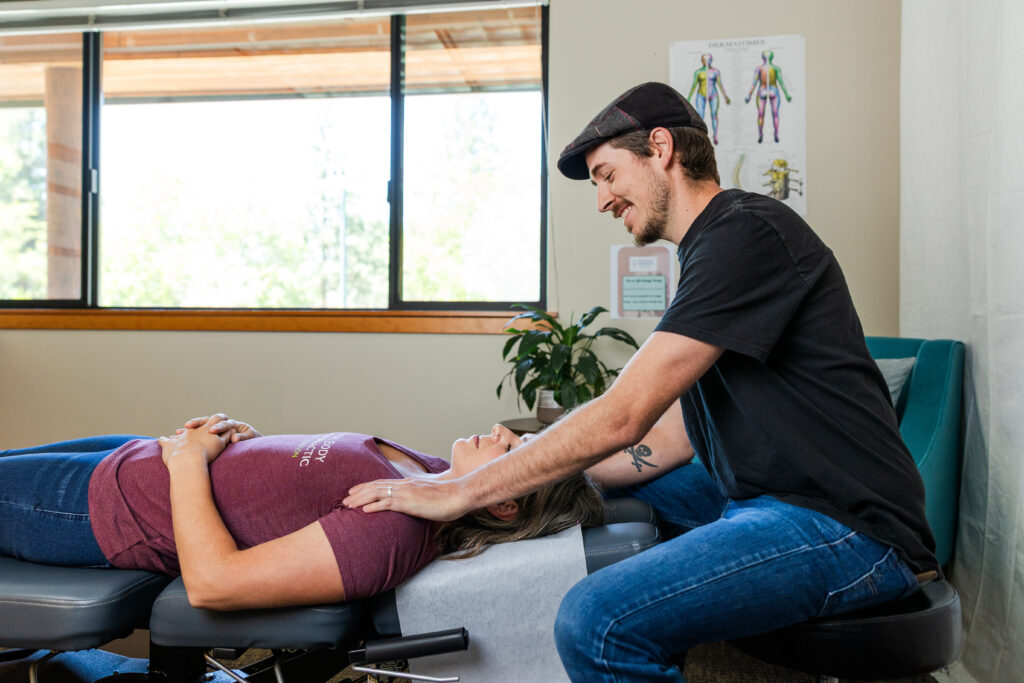
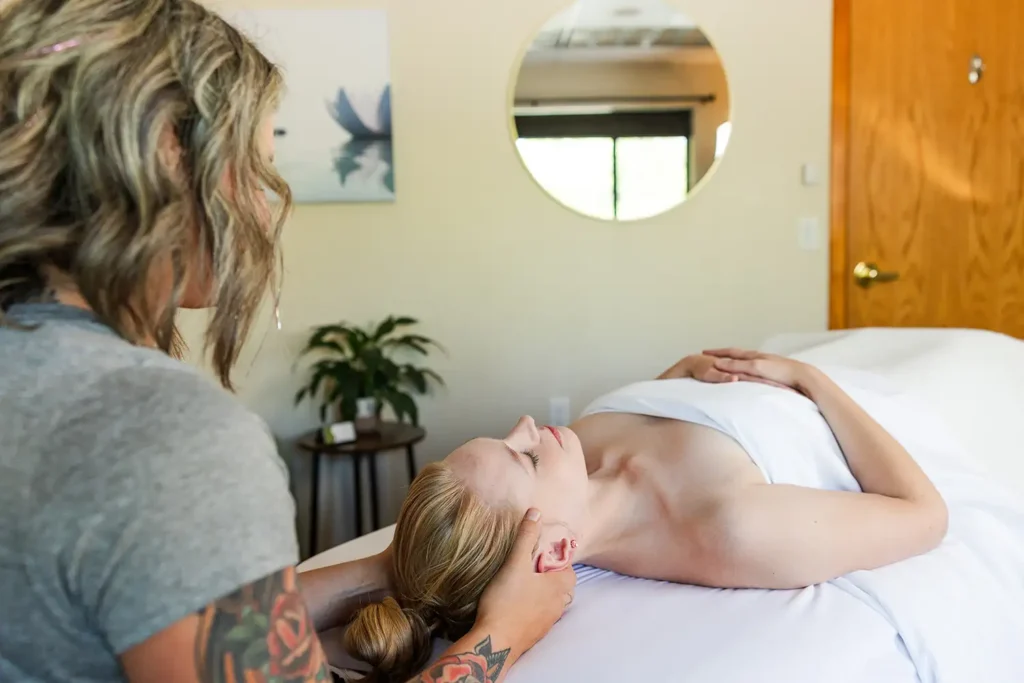
A chiropractor sitting working on the neck of a patient.

Chiropractors focus on your musculoskeletal system, mainly the spine, with manual therapies. Our Bend chiropractors will use hands-on techniques to:

  • Restore spinal alignment
  • Relieve nerve irritation
  • Accelerate your body’s self-healing

Let’s see how chiropractic care works.

How Chiropractic Works?

Spinal adjustments are the basis of chiropractic care in Bend. Chiropractors will gently realign your spine and its vertebrae, especially the neck ones. That’s why they reduce pressure on your nerves and bolster your joints’ mobility. Your nervous system also becomes well-balanced. No wonder several studies done in the past have confirmed that chiropractic care can “reduce the migraine severity, frequency, duration of suffering and associated disability.”

Benefits of Chiropractic Care for Headaches

  • Chiropractors reduce nerve irritation and muscle tension caused by a misaligned spine.
  • Realigning your spine/joints means your joints and muscles are now under less strain, so your headaches will be less frequent than before.
  • Your headaches will also be less intense (occurring less often as well), especially for tension-type and cervicogenic headaches.
  • You can avoid the side effects and dependency risks of pain meds thanks to our chiropractors in Bend.

4 Chiropractic Techniques for Headache Relief

Our Bend chiropractors use several effective treatments to help headache sufferers.

1. Spinal Manipulation (Chiropractic Adjustments)

Our chiropractors reduce pressure on your nerves by realigning the cervical spine carefully. They correct postural imbalances as well. This technique works perfectly well for tension/cervicogenic headaches.

2. Soft Tissue Therapy

As headaches are often caused by tension in your neck and shoulder muscles, our chiropractors will use trigger-point therapy and myofascial release for triggering tight muscles. They will break up knots, trying to restore normal movement. So, this technique will give you pain relief, and your headaches may even disappear for good.

3. Postural Education & Ergonomic Advice

Since poor posture is the culprit behind many headache types, our chiropractors in Bend will show you how to maintain a healthy posture. They will give you practical ergonomic advice as well on how to make your workspace health-friendly. We’ll show you simple stretches and home care strategies to keep your muscles relaxed and your spine aligned.

4. Lifestyle and Nutritional Counseling

Headaches also have lifestyle triggers like dehydration or certain allergies. Our team identifies these triggers so you may avoid them. They will offer you personalized advice on hydration and nutrition. You will also get stress management advice from them.

Complementary Massage Therapy Techniques

Massage therapy, migraine massage, neck pain. muscle pain

At Total Body Chiropractic, we offer massage therapy to complement our chiropractic care in Bend for headache sufferers. Our therapists may use several different massage techniques for headache pain:

  • Deep Tissue MassageThis technique will target chronic tension in your muscle’s deep layers, chiefly your neck and shoulders. So, deep tissue massage will break up stubborn knots and improve blood flow. This type of massage prevents future flare-ups as well.
  • Craniosacral TherapyHow about a gentle, hands-on technique? Craniosacral therapy focuses on how your cerebrospinal fluids flow around the brain. This massage therapy releases tension in your head and neck, providing migraine relief and less severe headaches
  • Trigger Point TherapyTrigger points often refer pain to other body parts. These pressure points are tight, tender points in your muscles. Our massage therapists use targeted pressure to release these knots.

Chiropractic adjustments work hand in hand with massage therapy. Chiropractic care realigns your spine and restores nerve function. Massage therapy leads to muscle relaxation and better blood circulation. A combined effect of both these approaches is long-lasting pain relief. Thus, our Bend chiropractors and massage therapists collaborate to create a personalized care plan that addresses your unique needs.

When to See Our Bend Chiropractors for Headaches?

You’re probably wondering if your headaches are spine-related. When is it perfectly suitable to look for chiropractic care in Bend? What are the signs? Well, here’s when you should see a chiropractor:

  • You have splitting headaches that disrupt your daily life.
  • Your headaches have become more frequent than before.
  • Headaches start after an injury or when you spend hours at work.
  • Your headaches come with neck pain, stiffness, and motion-related pain.
  • OTC painkillers aren’t helping, or you want to avoid medication cold turkey.

Do any of these signs sound familiar to you? If they do, schedule an appointment with our Bend chiropractic clinic. We’ll conduct a thorough assessment of your symptoms and headache types. This way, we’ll identify the root cause of your pain to develop a customized treatment plan.

Reclaim Your Life from Headache with Massage Therapy in Bend

Don’t let headaches control your life — get relief from migraines with chiropractic care and massage therapy at Total Body Chiropractic. Our Bend chiropractors address the underlying causes and help you find lasting comfort. Whether it’s spinal misalignment or muscle tension, we’ll discuss how these non-invasive treatment options improve your quality of life. If you’re ready to take the next step, make an appointment today and get on the path to a headache-free future.

3 Massages for Pressure Points in Your Feet

Whether you spend all day standing or complete hard workouts daily, your feet really take a beating. But did you know that all that walking doesn’t just affect your feet? It affects your whole body. Targeted foot massages can ease tense areas that cause problems throughout your body, lower stress, aid digestion, and improve sleep through reflexology.

Continue reading to learn more about reflexology and three foot massage techniques you can do at home.

What is Reflexology?

Reflexology is a type of alternative therapy that involves applying varying pressure levels to the feet, hands, and ears. It is believed that pressure points in these areas correspond to different parts of the body. By releasing tension in the trigger points, reflexology helps restore balance and encourage healing in other places.

Pressure Points in the Foot

Reflexology charts can show you a full breakdown of pressure points within the foot. Here’s a general guide for corresponding body parts on the foot:

Toes: The head, specifically the brain, side neck, and sinuses

Inside surface (along the arch): The spine

Outer edge: The shoulders, arms, hips, knees, and legs

The entire bottom of your foot corresponds with various organs.

Top third (near the ball of your foot): Chest organs, including the lungs and heart.

Middle third (near your arch): Abdominal organs, like the stomach, spleen, liver, and intestines

Bottom third (near the heel): Pelvic organs, such as the bladder, colon, reproductive organs, etc.; the sciatic nerve

Three Foot Massage Techniques

1. For Anxiety

Stimulating the cardiovascular system can promote relaxation and ease some effects of anxiety.

  • Curl your toes and identify the small dip between your 1st and 2nd toe right beneath the ball of your foot.
  • Use your thumb to massage the area in a circular motion.
  • You can also firmly press down on the area for 10 to 15 seconds.

2. For Lower Back Pain

Some people report that reflexology on the foot can relieve lower back pain even better than an actual lower back massage. You’ll want to focus on the arches along the inside of your foot for this massage technique.

  • Move your thumb in short strokes from your heels to your toes.
  • You can also walk your thumbs along the arch.

3. For Full-Body Reset

This technique doesn’t focus on one area. Instead, you will use a tennis or golf ball to identify areas of tightness all over your foot and release them. This method is one form of myofascial release therapy, similar to what you’ll experience during massage therapy in Bend.

  • Roll your foot around over a tennis or golf ball until you find a sensitive spot.
  • Press down to apply pressure until you feel it soften.
  • Hold this position for 15 to 30 seconds.

Reflexology works best in conjunction with other full-body treatment methods, like chiropractic care or acupuncture. Your massage therapist in Bend can help you identify tense areas of your body and offer suggestions for at-home maintenance, including the above techniques. We offer the best chiropractic care in Bend that combines several alternative therapies to help you feel your best even after your visit.


4 Common Spring Sports Injuries and How to Prevent Them

As the weather warms up, many of us are excited to participate in our favorite sports and activities. From softball, tennis, and golf leagues to leisurely runs, hikes, and bike rides, spring opens new doors for entertainment — and sore bodies. Chiropractic care and massage therapy in Bend are great options for keeping your body warmed up and maintained throughout the season.

Continue reading to learn how these services can prevent spring sports injuries and keep you off the sidelines.

Common Spring Sports Injuries

1. Sprains and Strains

Sprains and strains are the most common spring sports injuries in any activity. They occur when ligaments (sprains) or muscles and tendons (strains) become stretched or torn. Depending on the severity of your injury, symptoms typically include mild to severe swelling, bruising, and loss of mobility and stability.

2. Herniated Discs

Your spine is made up of vertebrae with small cushions to separate each bone, called discs. When a tear in the disc allows the jelly-like material to leak out, it leads to a bulging or herniated disc. A herniation is usually marked by local or radiating pain and a decreased range of motion. This condition is common in older golfers and athletes in contact sports, like football.

3. Tendonitis

Tendons are connective tissues that attach muscles to bones. Overusing certain tendons can lead to inflammation and pain, known as tendonitis. While tendonitis can occur in several places around the body, common forms of this condition include tennis elbow, baseball elbow, shin splints, and Achilles’ tendonitis.

4. Stress Fractures

Stress fractures are small breaks in weight-bearing bones from repetitive impacts, like running or jumping. This condition is extremely common when starting a new workout regimen or suddenly increasing intensity. Fractures can also occur with repetitive motions in pitching or rowing, but that is uncommon. Stress fractures can cause pain and tenderness but should resolve with rest.

Tips for Preventing Sports Injuries

Adequately preparing your body after a long winter indoors is essential for preventing injury. Here are some things you can do during the season for your safety:

  • Warm up for at least 5-10 minutes with stretching and cardio
  • Maintain proper equipment, especially supportive shoes
  • Start strength training and conditioning weeks before the season begins
  • Rest between games, matches, training, etc. to prevent overuse

How Chiropractic Care and Massage Therapy in Bend Can Treat Sports Injuries

Chiropractic care and massage therapy are two clear choices for athletes wanting to improve their abilities and reduce discomfort. For most sports injuries, misalignments in the spine lead to incorrect form, which often triggers further damage. So, regular adjustments allow you to play each game at your best.

Studies have even shown that these therapies can improve balance, agility, and response time because the body will move as it should. Not to mention, the massage therapist in Bend will relieve stiff muscles and release tension to increase flexibility and range of motion, allowing you to twist, bend and reach to your full potential.

If you happen to sustain a sports injury despite your best effort, the best chiropractic care in Bend can encourage quick and complete healing. Massage therapy promotes blood flow to the affected area, which is necessary for recovery, while chiropractic care returns your body to its proper position. Many patients even report pain relief as early as the first visit.

Before your season starts, make a trip to Total Body Chiropractic & Massage to get your body prepared for spring sports. We offer a list of comprehensive services that will help you feel your best and keep you off the bench this year.

How Chiropractic and Massage Work Hand in Hand to Maximize Healing

Are you one of the many people who choose either chiropractic care or massage therapy for pain relief and comfort? Why not both? You see, chiropractic care and massage therapy work hand in hand as back and joint pain treatment in Bend. Not to mention, when used together you may experience stronger results than you would from simply using one method.

Continue reading to learn how pairing chiropractic care and massage therapy in Bend can maximize your healing.

First, let’s look at how these treatment methods work together to provide care to the whole body.

Chiropractic care generally focuses on hard tissues, like your vertebrae and joints. On the other hand, massage targets your soft tissues, such as muscles, ligaments and tendons. And all of these structures work together to allow proper function and movement. So, when you only focus on one tissue type, the other is still hindering your ability to perform at your highest level.

When you opt for chiropractic and massage as part of your holistic care routine, these treatment options give the best results, including:

1. Quicker recovery

During your adjustment, your chiropractor may address your injuries by restoring your natural alignment. Then, massage therapy will increase healing blood flow to these newly adjusted areas, meaning faster and more complete recovery.

2. Easier adjustments

Has your chiropractor ever mentioned that you are particularly tight or “not moving well” during your visit? Getting a massage before your adjustment allows your joints and vertebrae to move more freely, so your chiropractor in Bend can work on a more intense level.

Not to mention, relaxed muscles are less likely to pull your joints out of alignment, meaning your adjustments last longer.

3. Increased range of motion

Chiropractic care itself helps restore your ability to twist, bend and lift like you should. However, massage therapy takes this a step further with stretching techniques that increasing your flexibility, even in injured and impacted areas.

4. Enhanced comfort

You are likely to experience pain after your adjustment, and in some cases after your massage. Often times, this feeling is because the unaddressed tissues are still causing discomfort. By working on the inflammation and tension present in your hard and soft tissues, you’re more likely to experience all-encompassing comfort longer.

5. Improved circulation

Massage therapy helps release the buildup of toxins and lactic acid in the muscles, while promoting better circulation of blood and lymphatic fluid throughout the body. This not only helps relieve soreness, but it also increases healing. Likewise, by releasing pressure off compressed nerves, chiropractic care allows the nervous system and its counterparts to encourage proper circulation to injured areas.

At Total Body Chiropractic & Massage in Bend, we offer a holistic treatment plan, including adjustments, massage therapy, nutrition and exercise, that complement each other and help you feel your best. So, whether you’re looking for a chiropractor for neck pain or a massage therapist in Bend for soreness, Total Body has you covered for both.