Book an Appointment
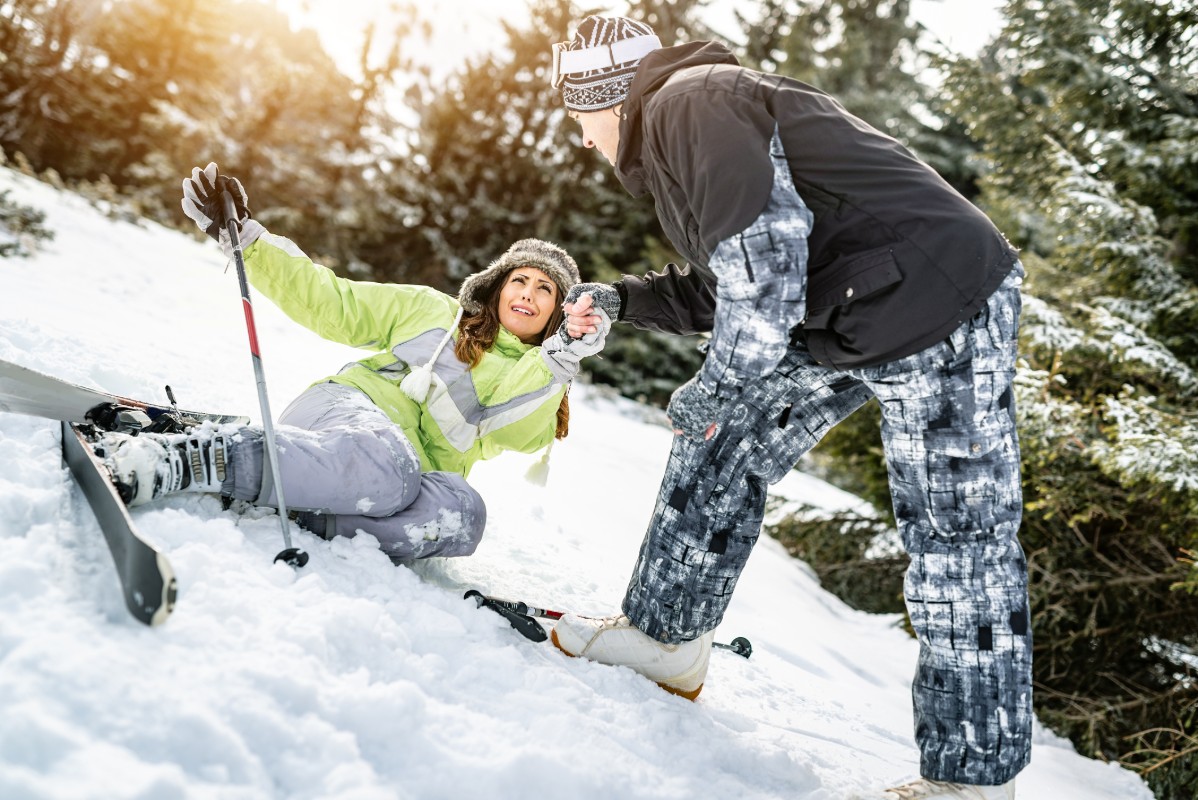
Sore After Skiing? Our Bend Chiropractors Treat Winter Sports Injuries
A full day at Mt. Bachelor is one of the best parts of winter in Bend. Whether you’re skiing fresh powder, riding through the trees, or getting in a few late afternoon runs after work, time on the mountain is a great way to stay active during the colder months.
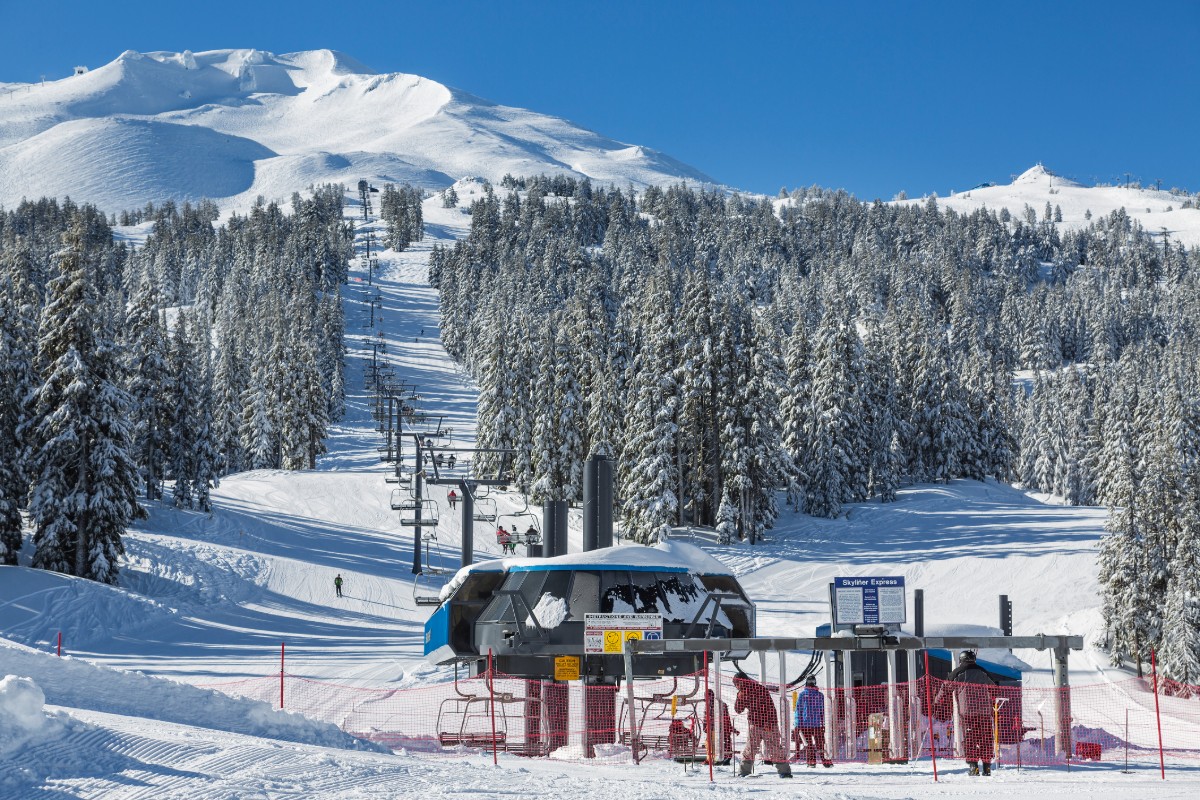
But skiing and snowboarding in Central Oregon are physically demanding outdoor activities —and it’s not uncommon to wake up the next morning with stiffness, soreness, or pain that wasn’t there before.
At Total Body Chiropractic, our chiropractors in Bend see many patients throughout the winter season who are dealing with discomfort after time on the slopes. From low back pain and neck tension to hip misalignment or nerve irritation, winter sports injuries often respond well to conservative, non-invasive care when treated early.
If you’re experiencing pain after skiing or snowboarding at Mt. Bachelor, here’s what could be happening and how our Bend chiropractors can help.
How Skiing and Snowboarding Affect Your Spine and Joints
Skiing and snowboarding require your body to move in ways that aren’t part of everyday life. Even experienced skiers and riders place repetitive stress on their joints and muscles throughout the day.
On the mountain, your body is:
- Holding a semi-squat position for extended periods of time, which places sustained pressure on the muscles that support the lower back and pelvis
- Absorbing repetitive impact from terrain changes, vibrations, and turning forces that travel up through the ankles, knees, hips, and spine
- Engaging the core and stabilizing muscles continuously to maintain balance on uneven or icy surfaces
- Rotating through the hips and torso during turns, which can create asymmetrical stress patterns—especially for snowboarders
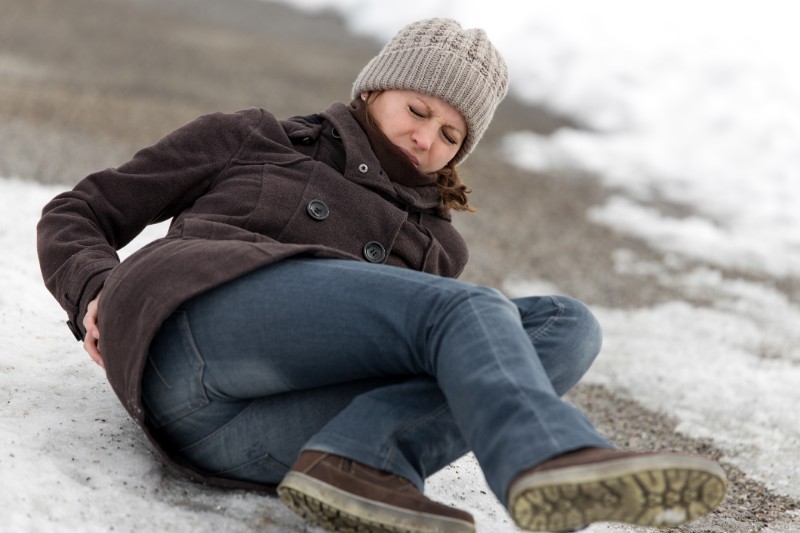
- Reacting quickly to changes in terrain or unexpected slips, sometimes resulting in awkward movements or sudden force
Over the course of a full day, these demands can lead to joint restriction, muscle fatigue, or irritation of surrounding nerves—even if you didn’t experience a hard fall.
Common Ski and Snowboard Injuries We See at Our Bend Chiropractic Office
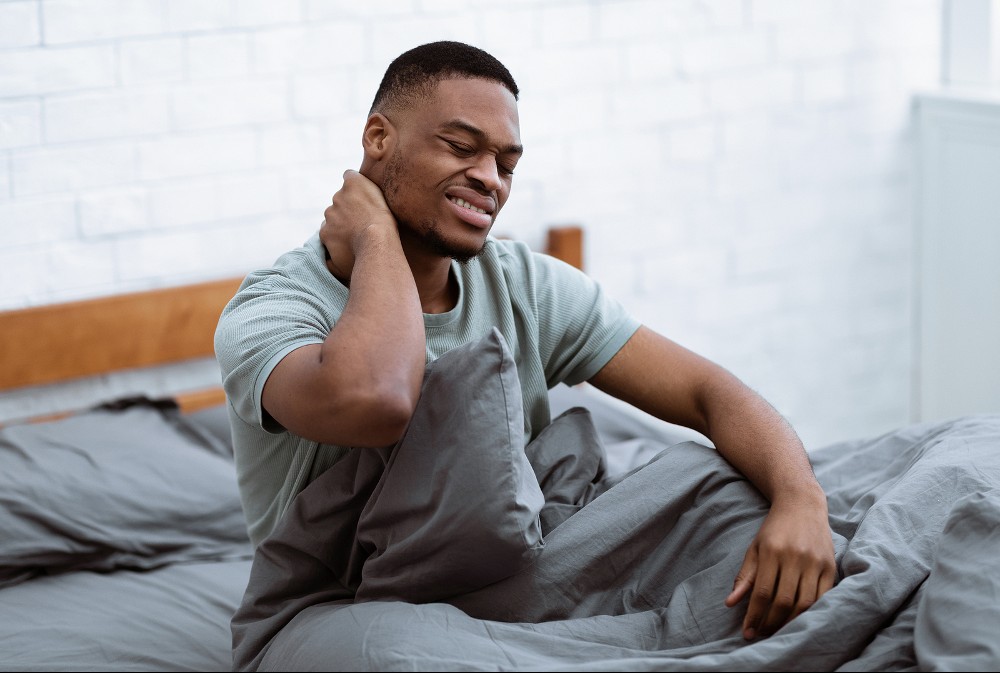
Our chiropractors in Bend frequently evaluate patients for winter sports-related conditions after a weekend at Mt. Bachelor.
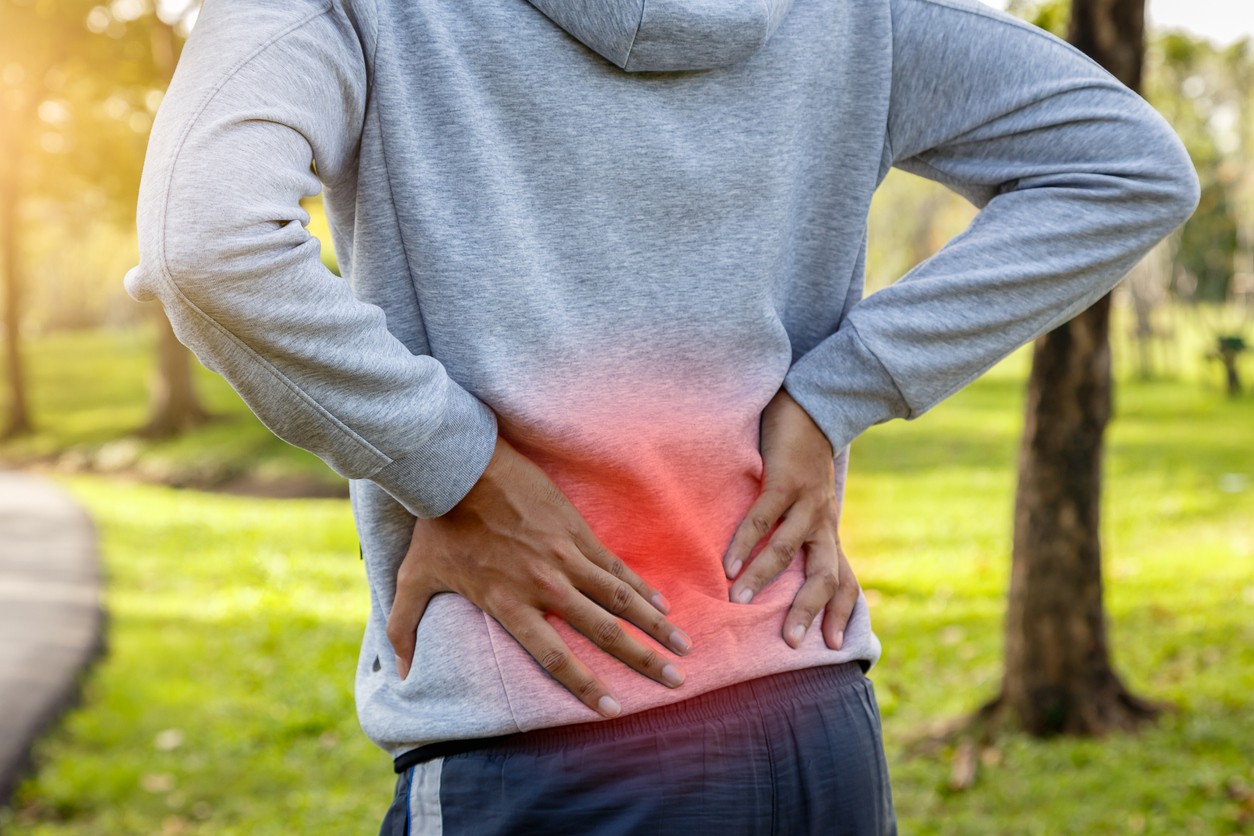
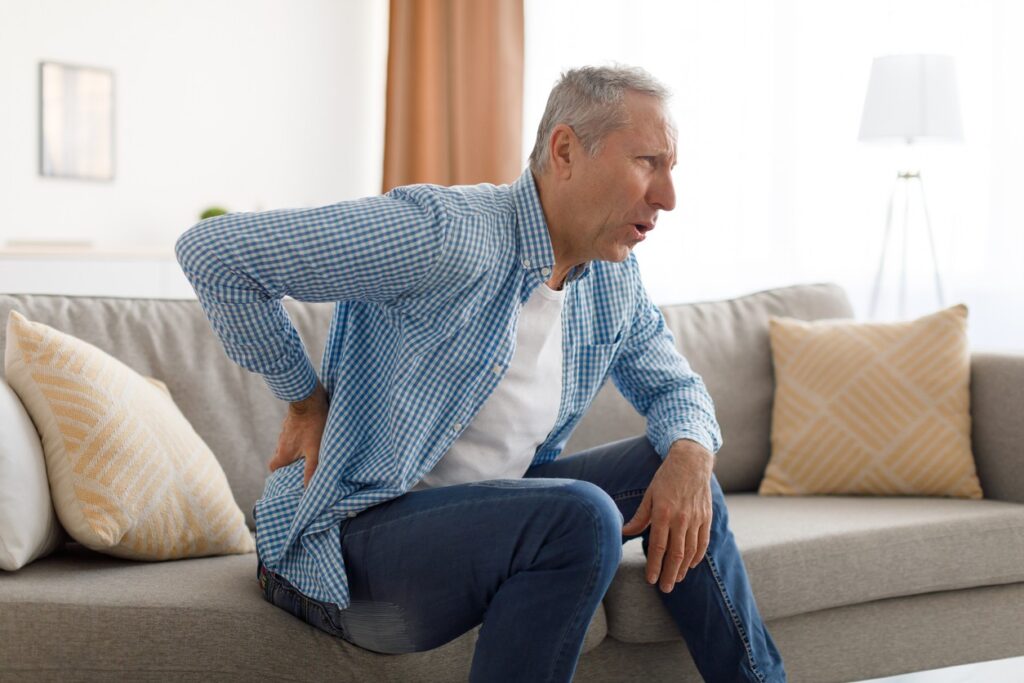
Lower Back Pain After Skiing
Maintaining proper ski posture requires leaning slightly forward with the hips back and knees bent. As fatigue sets in, your form may change—placing additional strain on the lumbar spine and surrounding muscles.
You might notice:
- Persistent tightness across the lower back that doesn’t improve with stretching alone
- Discomfort when bending forward to tie shoes or pick something up
- A dull ache that increases after sitting or driving home from the mountain
- Difficulty standing fully upright without stiffness or tension
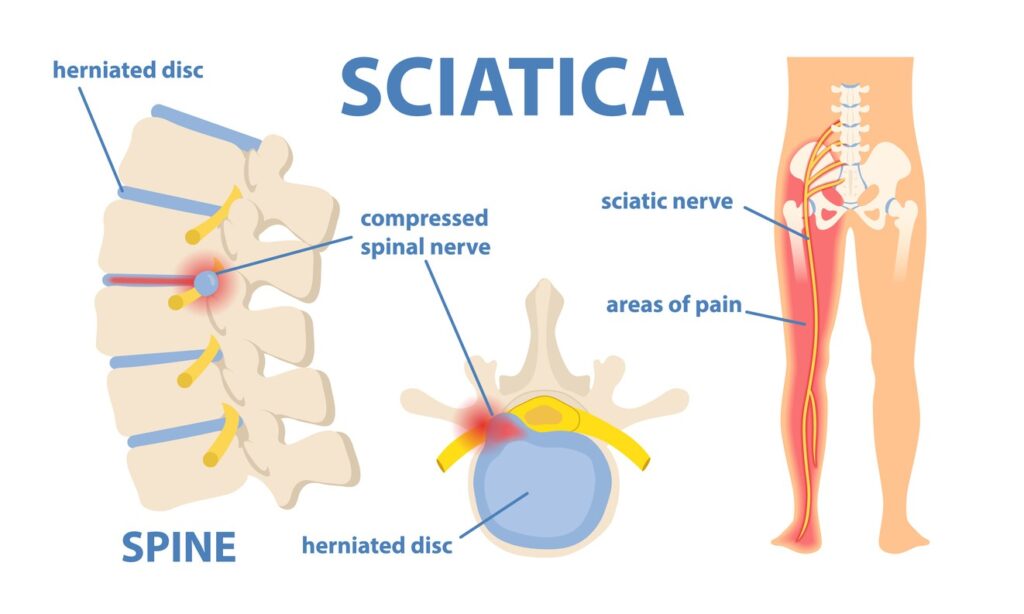
Sciatica After Snowboarding
Snowboarding places the body in a rotated stance that can create uneven loading through the hips and pelvis. Combined with repetitive vibration or a fall, this may irritate the sciatic nerve and cause chronic pain.
Common sciatica symptoms include:
- Pain that radiates from the lower back into the hip, thigh, or leg
- Tingling or numbness along one side of the body
- A burning sensation that travels down toward the calf or foot
- Weakness or instability when walking or standing
Neck and Upper Back Tension
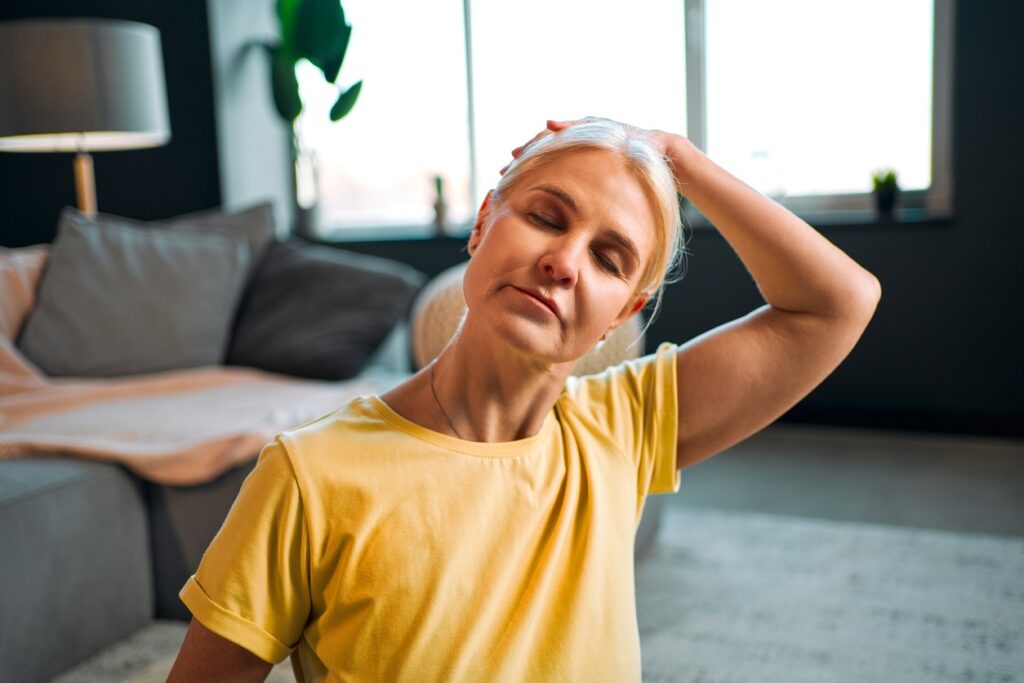
Neck strain can develop from prolonged downhill focus, shoulder bracing during turns, or tightening muscles in anticipation of uneven terrain.
Patients often report:
- Reduced ability to turn the head comfortably
- Tension between the shoulder blades
- Headaches following a day on the slopes
- Neck pain when looking over the shoulder while driving
Hip or Pelvic Misalignment After a Fall
Even a mild fall may affect joint positioning in the pelvis or hips—sometimes without immediate symptoms.
You may experience:
- A sense that your weight is uneven when walking
- Tightness through one side of the lower back
- Groin discomfort or outer hip soreness
- Ongoing stiffness that returns despite rest
How Our Bend Chiropractors Help You Recover After Time at Mt. Bachelor
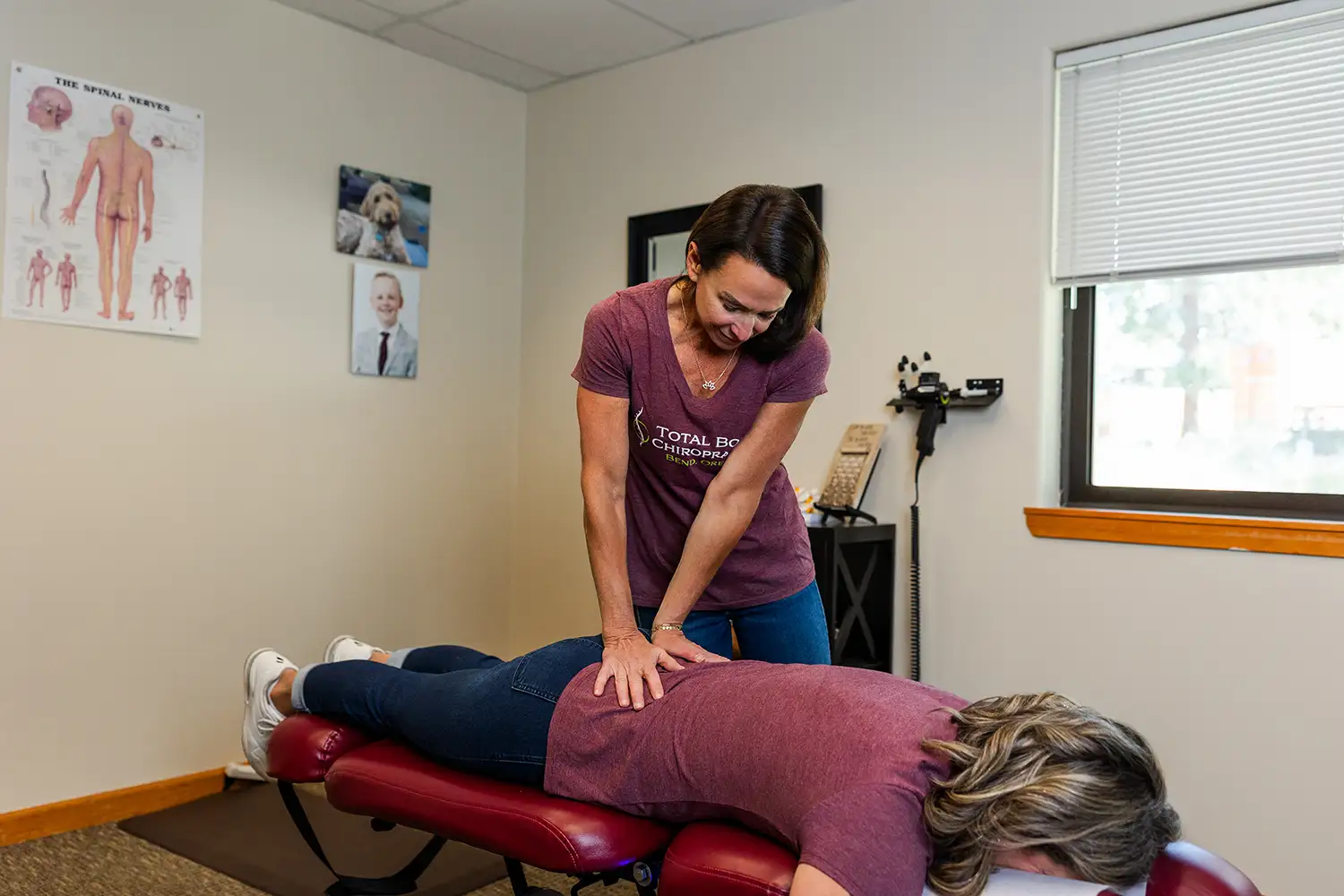
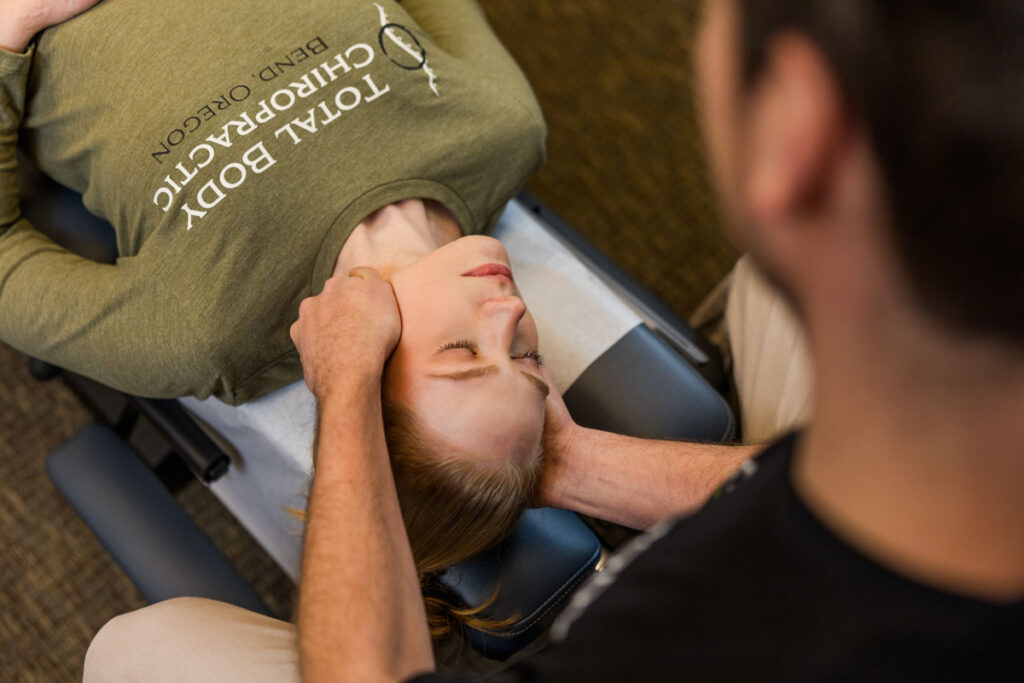
At Total Body Chiropractic, we focus on identifying the underlying nervous system cause of your discomfort—not just addressing the symptoms.
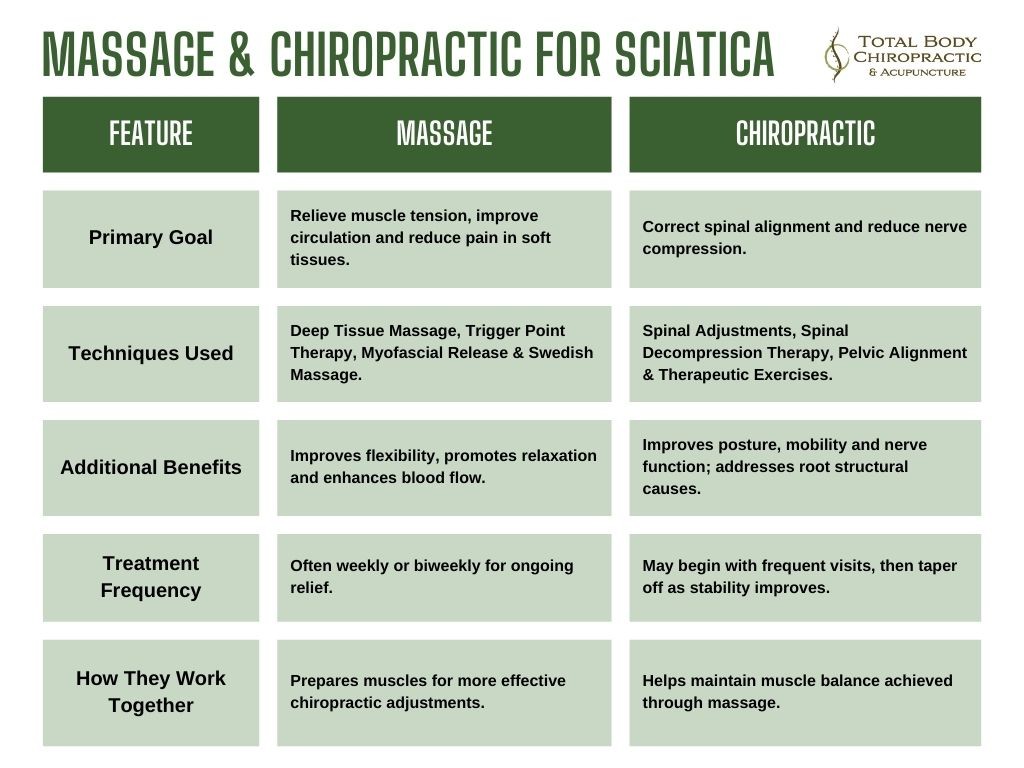
Depending on your needs, the chiropractic treatment plan may include:
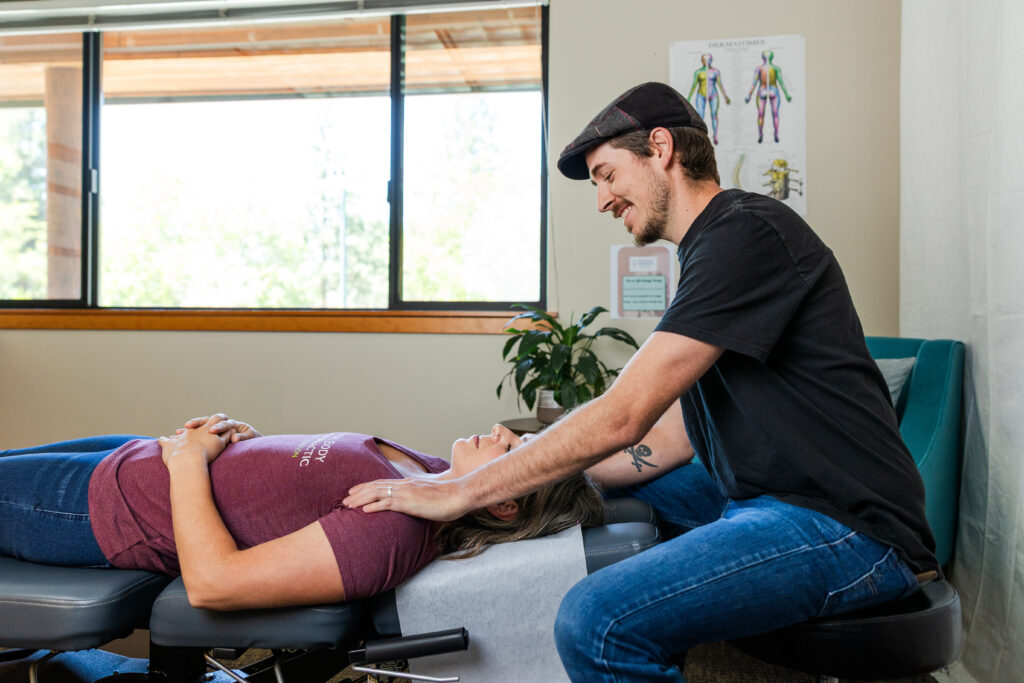
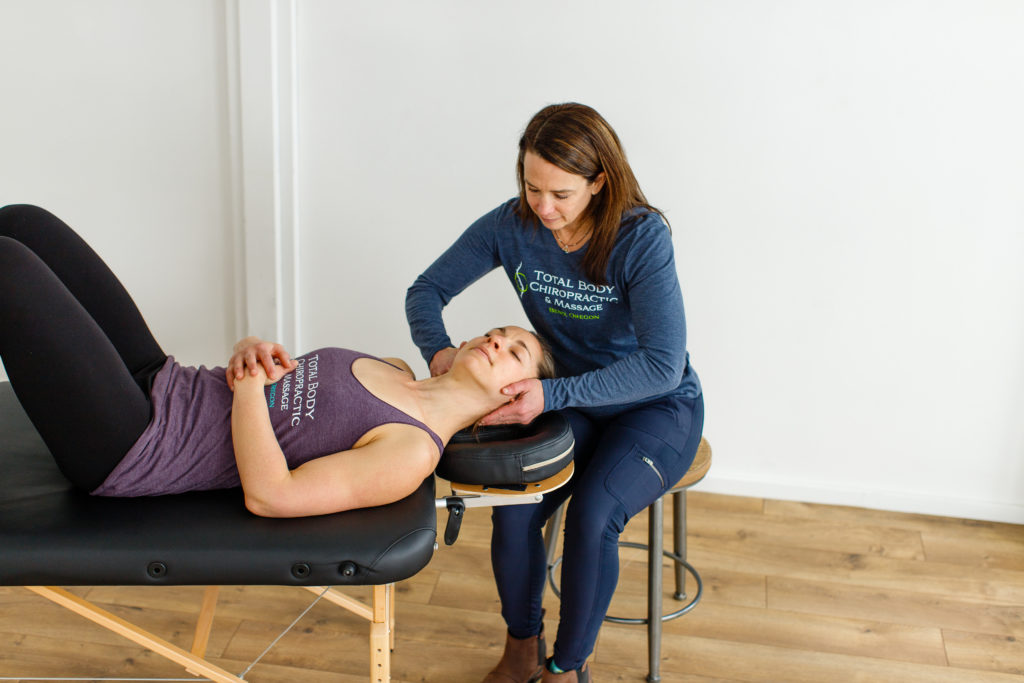
Chiropractic Adjustments
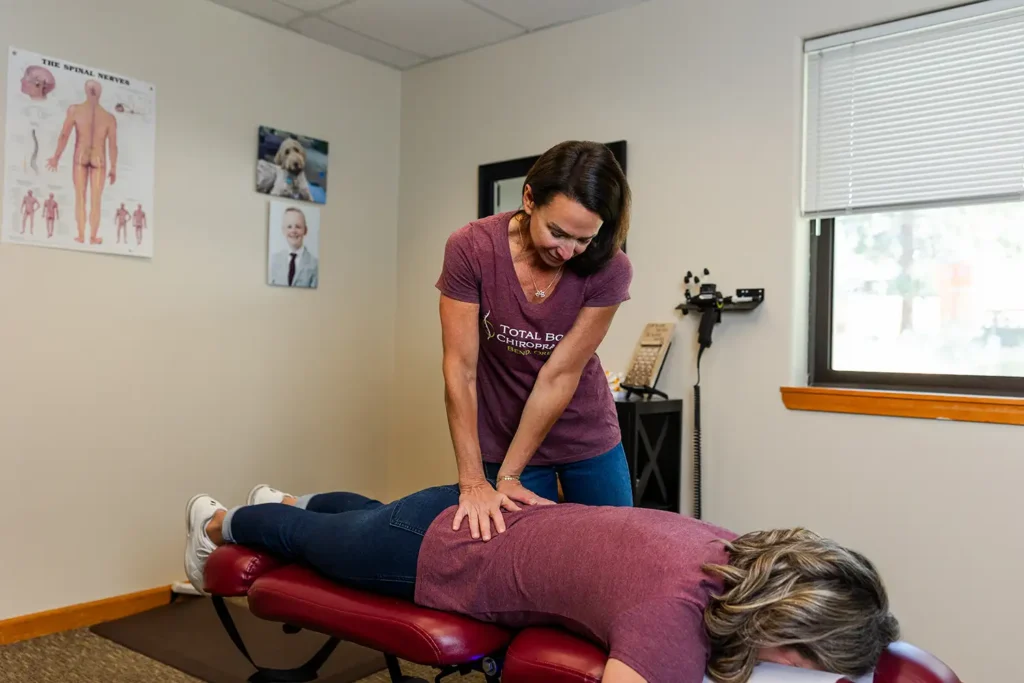
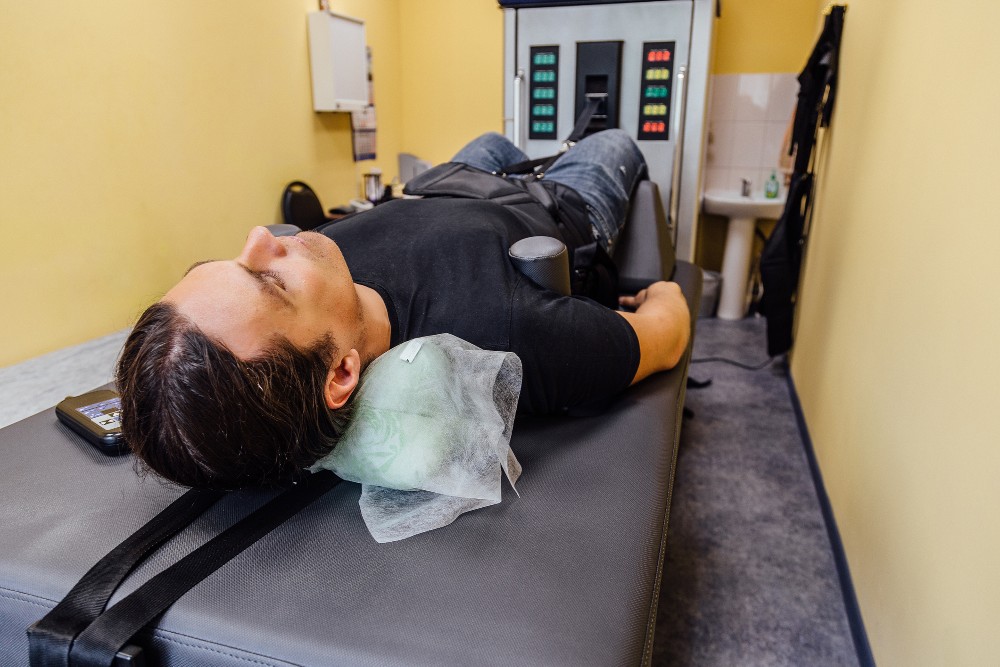
- Gentle spinal adjustments designed to restore normal motion to restricted joints in the neck, mid-back, or lower spine.
- Specific pelvic or hip adjustments to address spinal misalignment that may contribute to uneven movement patterns.
- Spinal manipulation techniques that improve how your joints move, helping ease tension in nearby muscles and offer pain relief.
- Improved mobility that allows the body to move more efficiently and reduces mechanical stress.
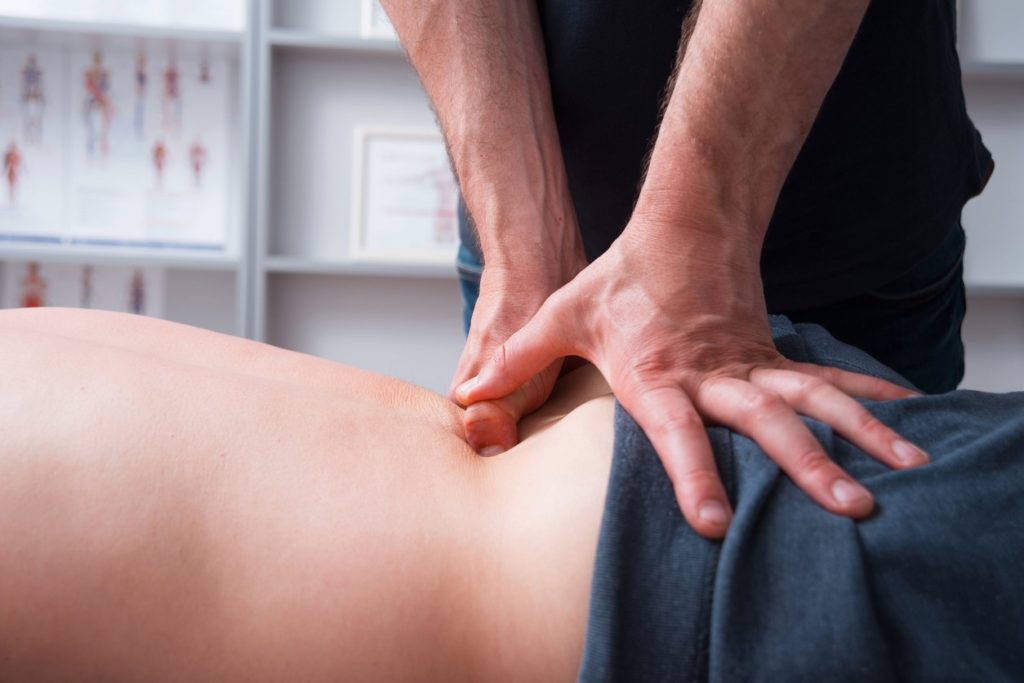
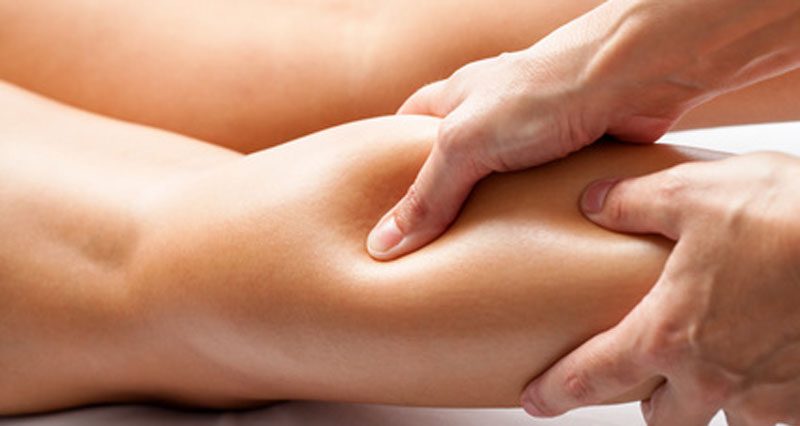
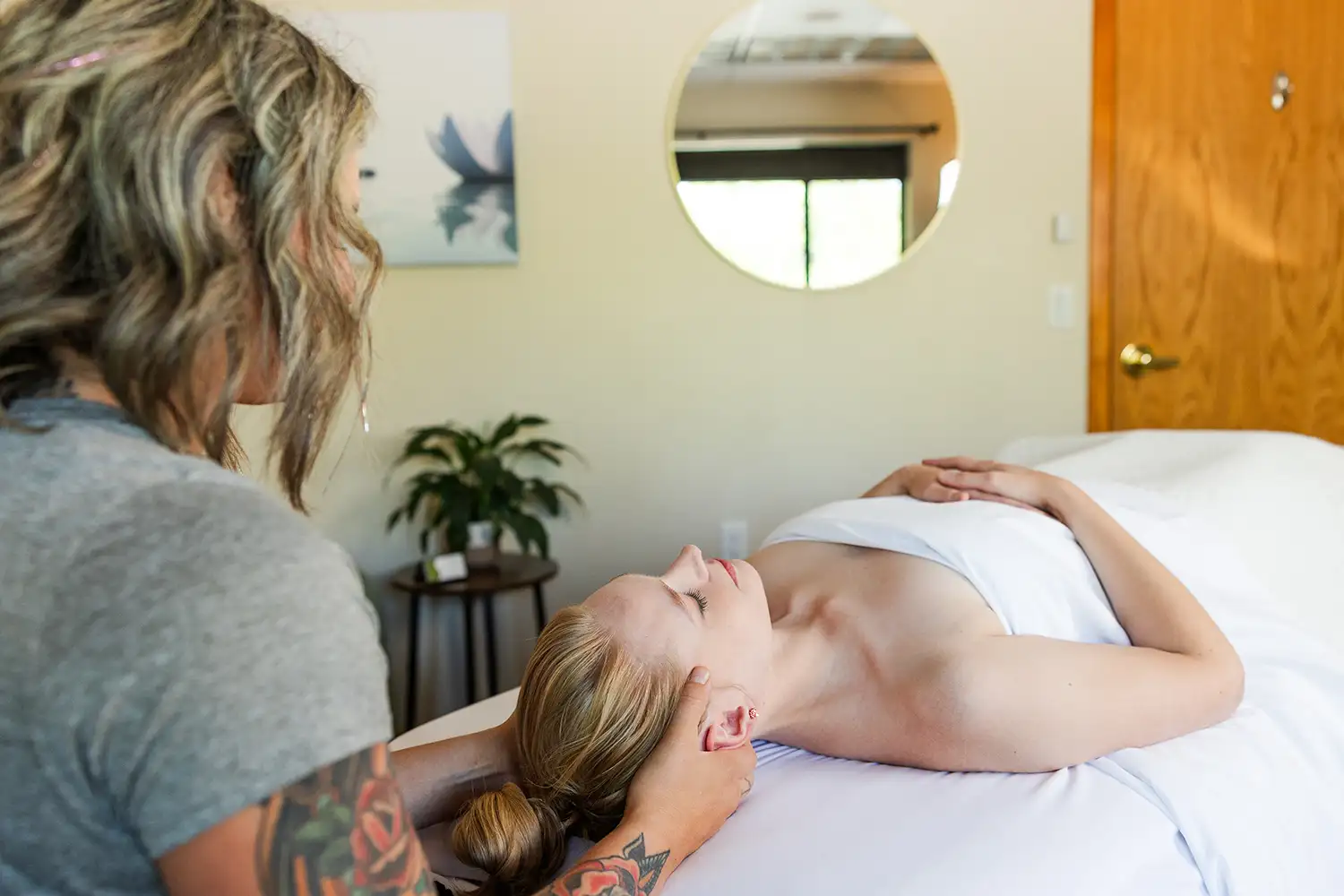
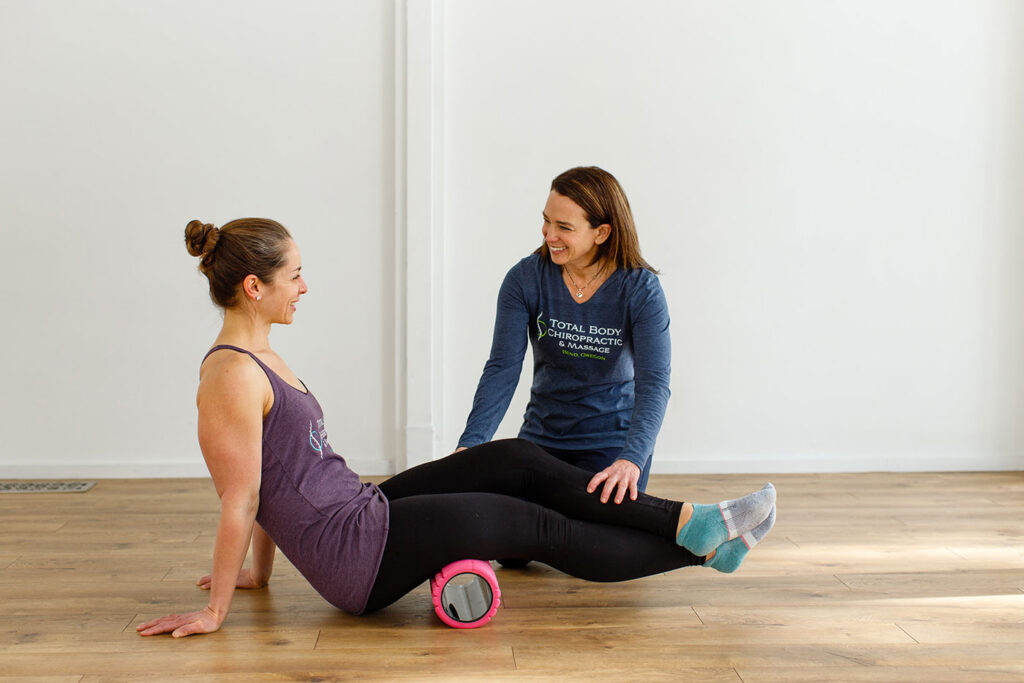
Therapeutic Massage
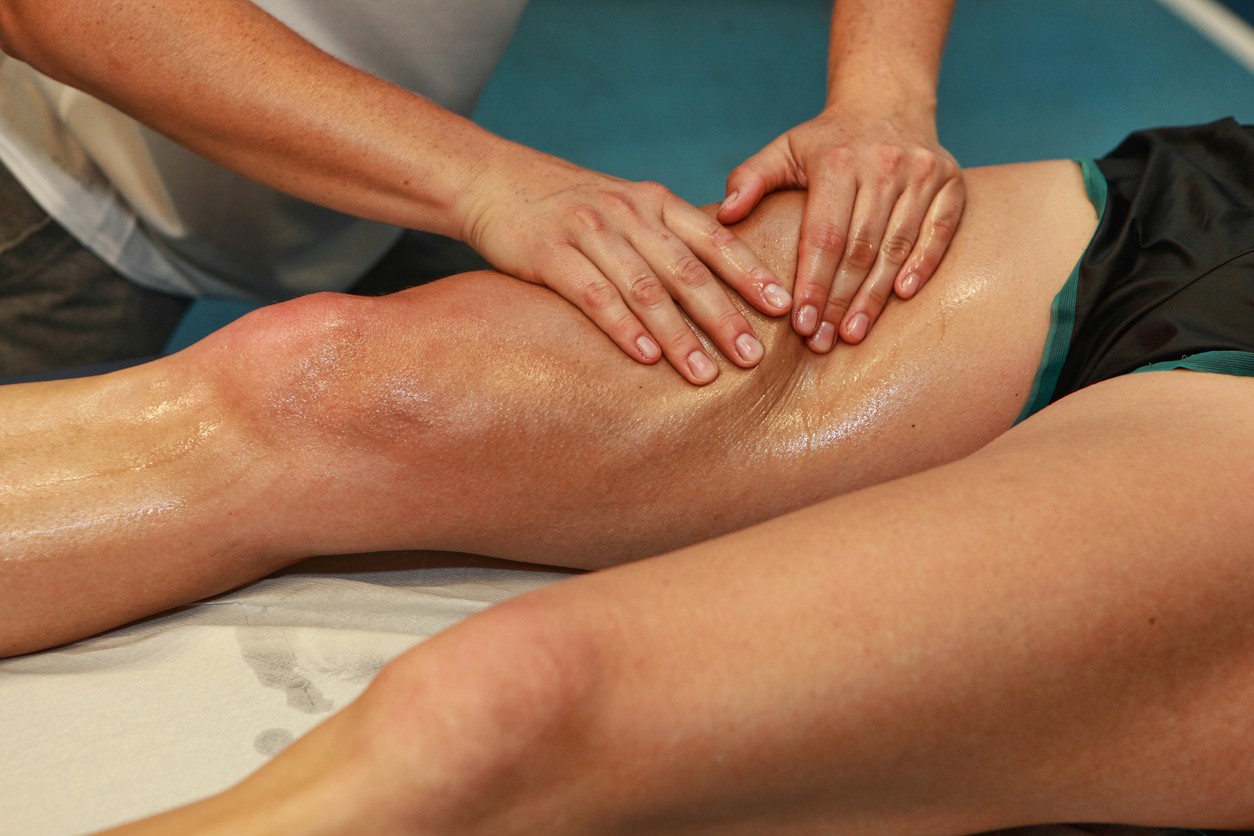
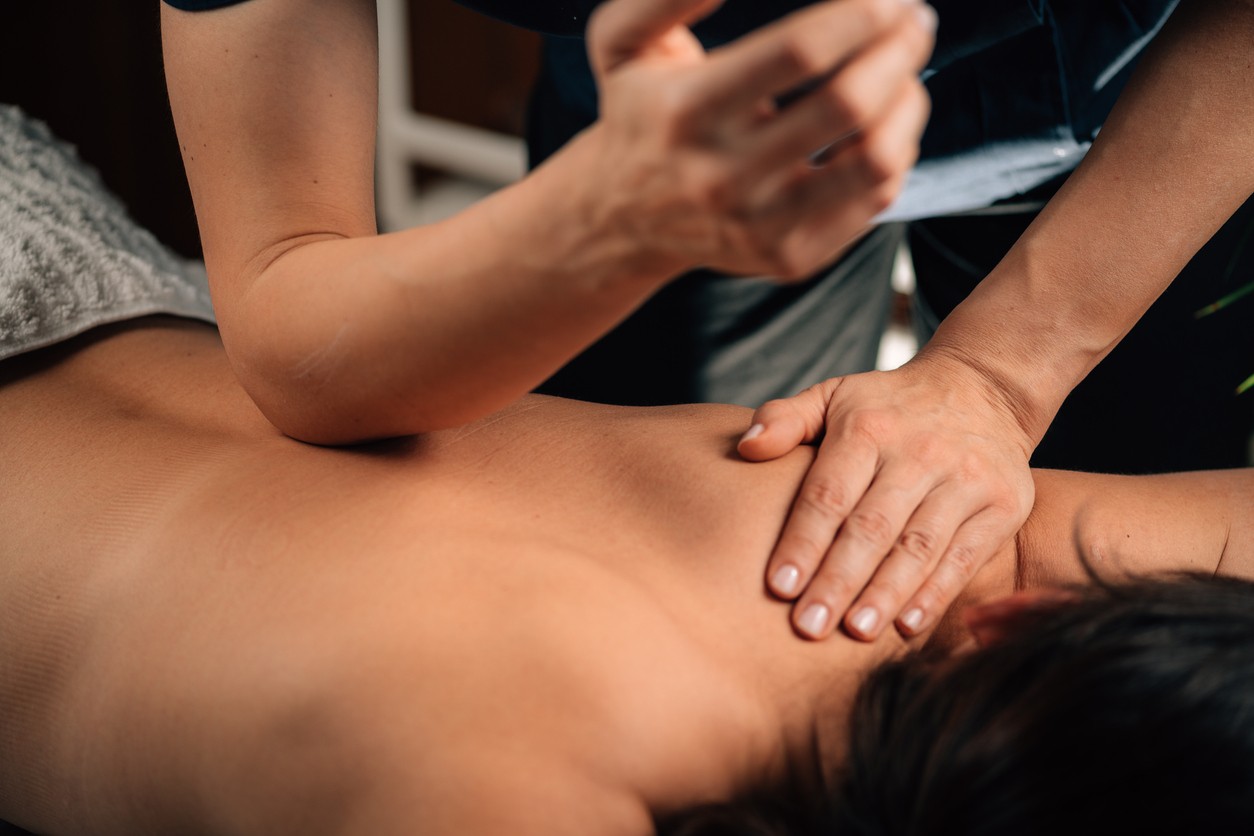
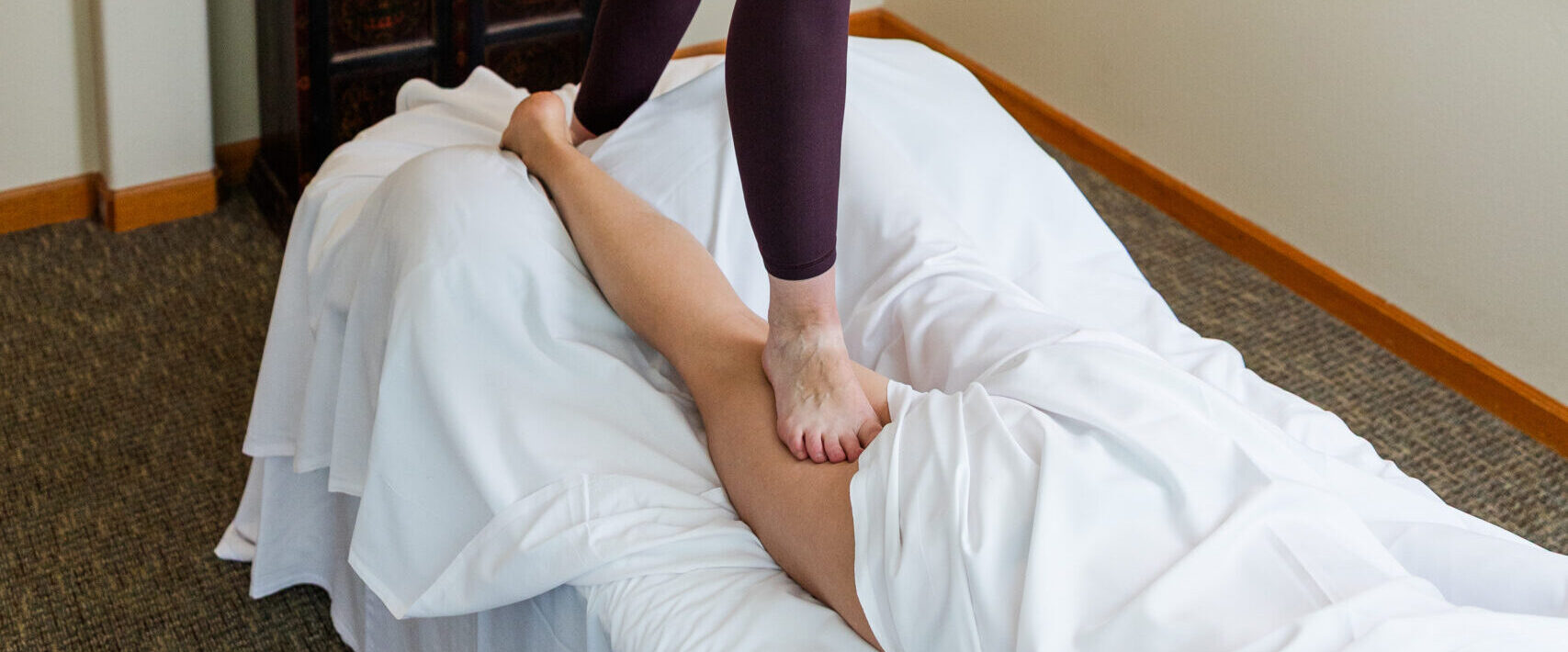
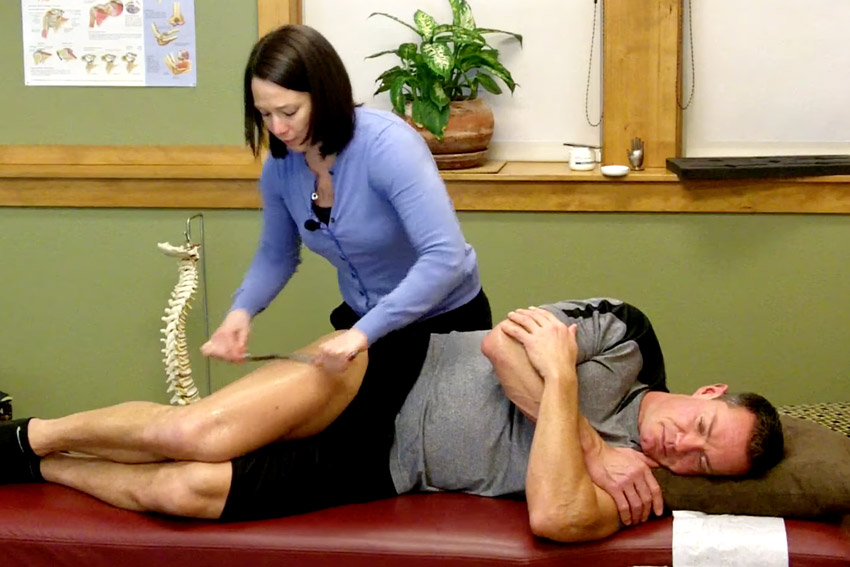
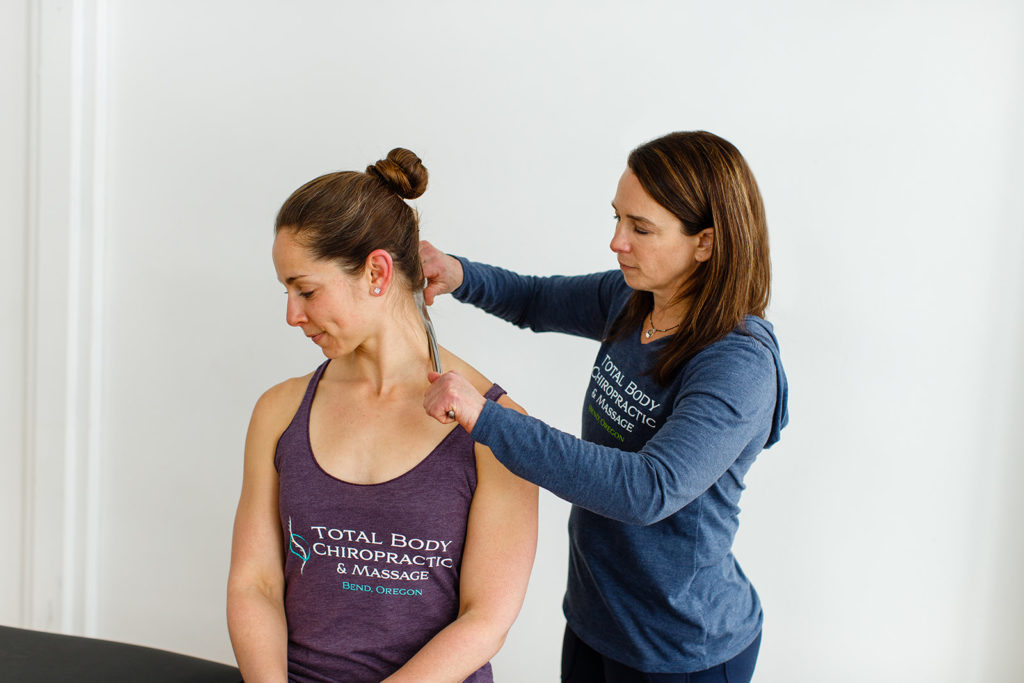
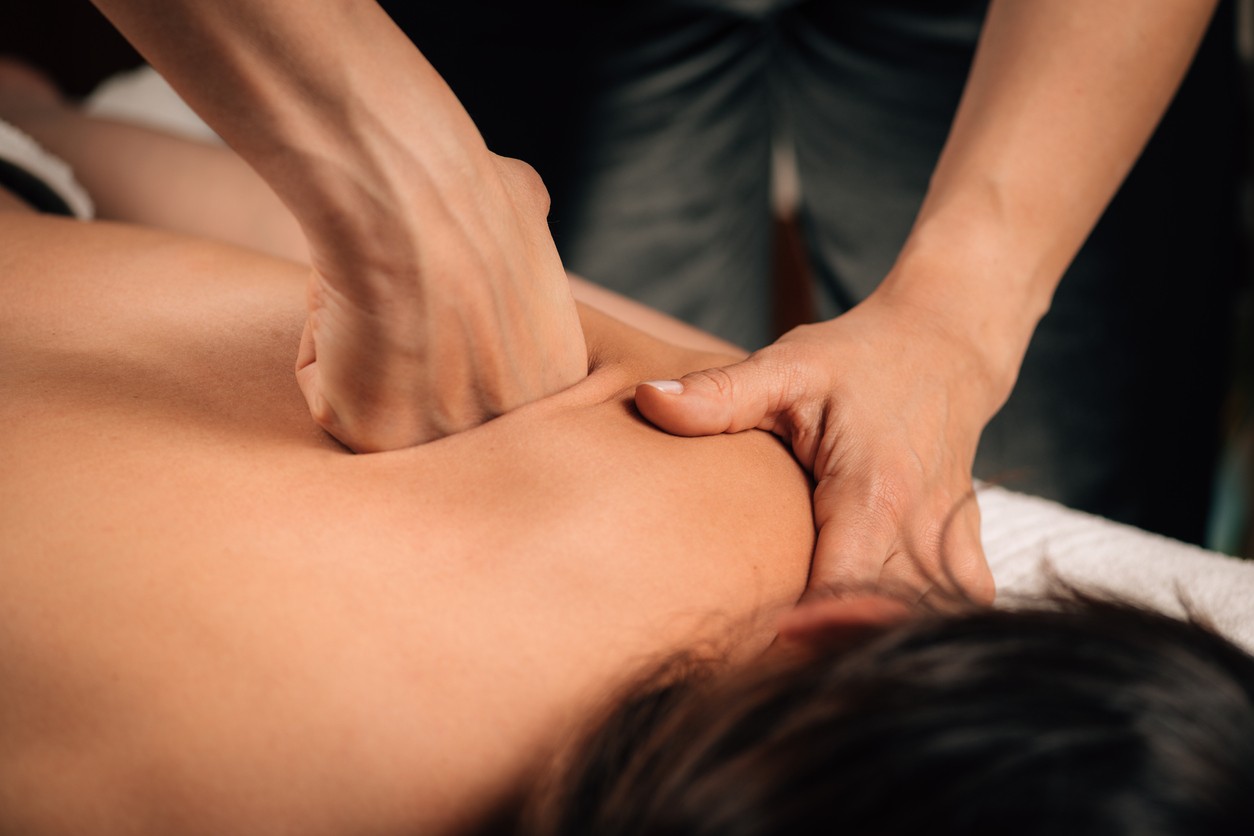
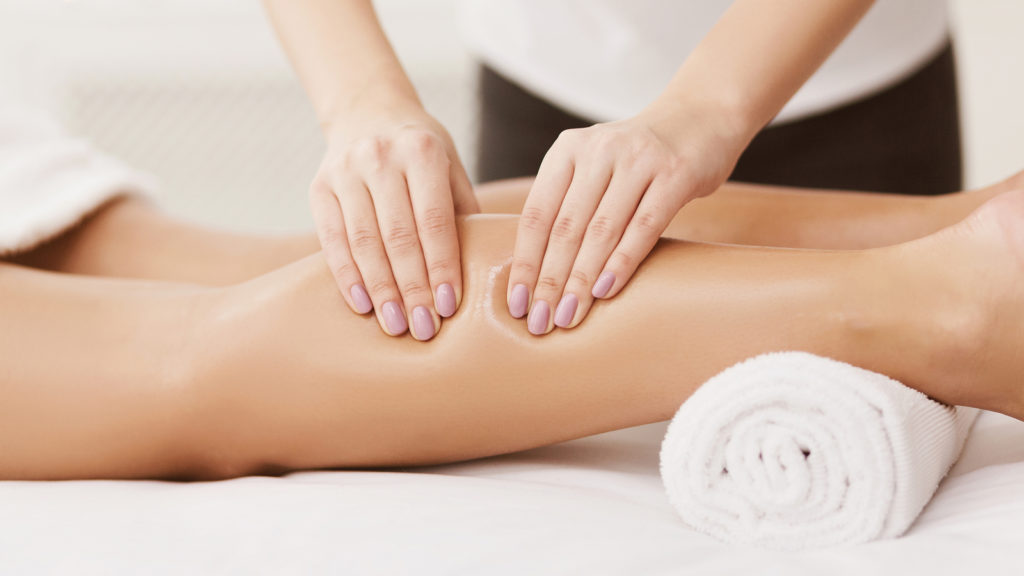
- Targeted massage therapy to relieve muscle tension that may develop after repetitive movement or prolonged postural strain
- Techniques that promote circulation to injured tissues, supporting recovery after a long day on the slopes
- Reduction of muscle guarding that can limit range of motion or create compensatory patterns
- Relaxation of tight muscle groups that may contribute to joint restriction or nerve irritation
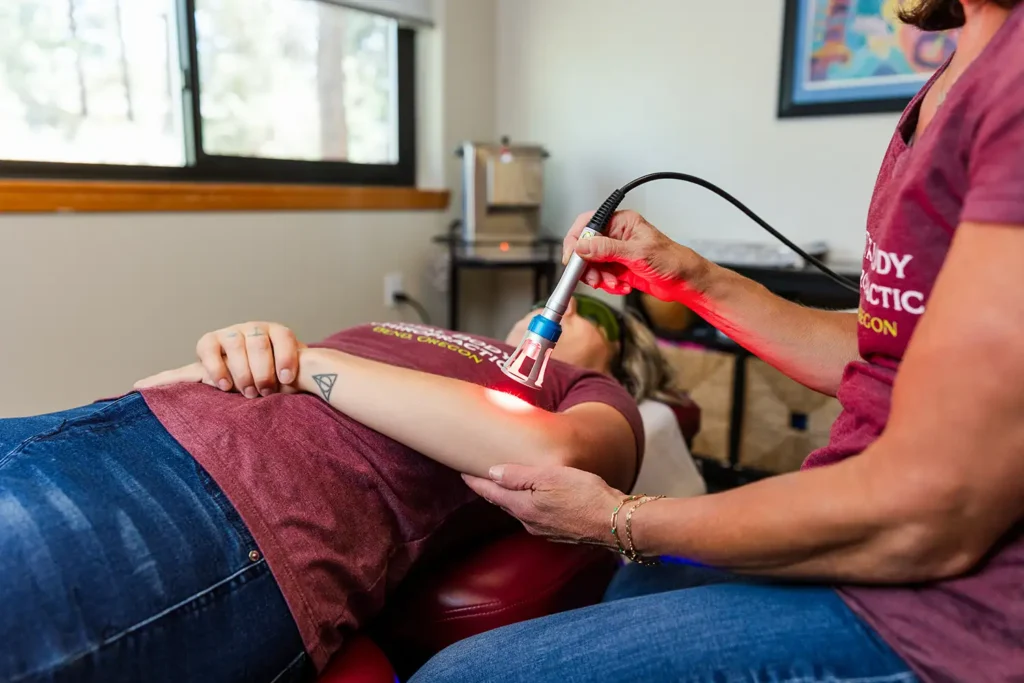
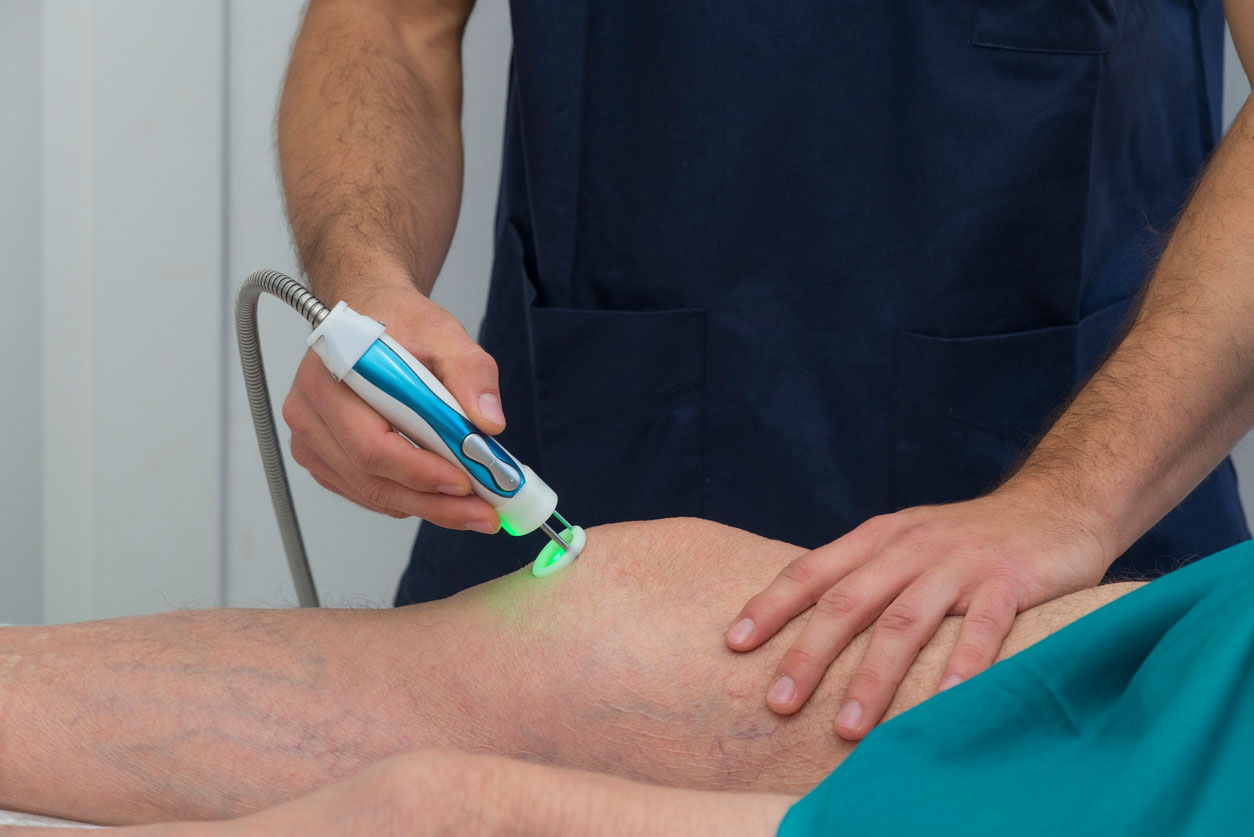
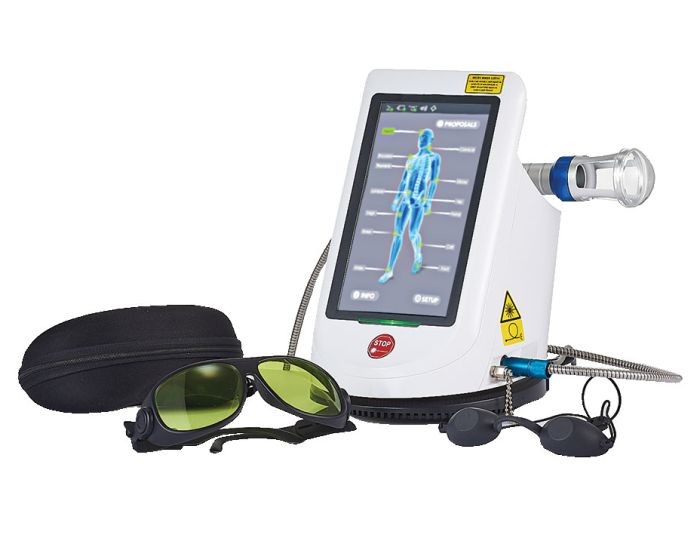
Laser Therapy
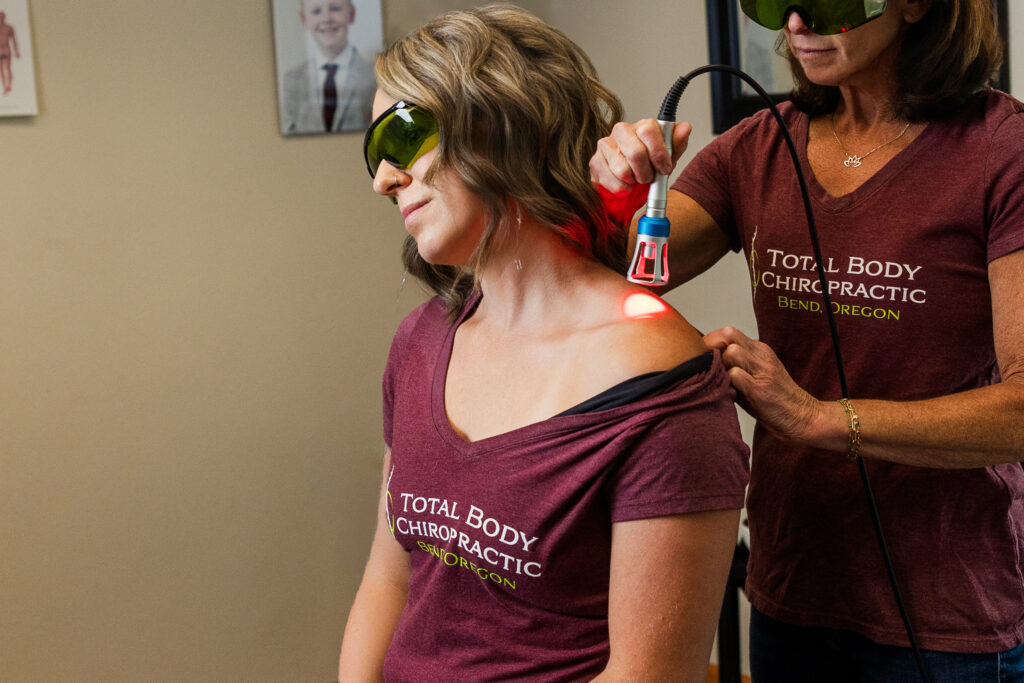
- Non-invasive laser therapy that helps reduce inflammation in soft tissues affected by strain or impact
- Support for tissue repair and healing following minor sprains or overuse injuries
- Improved cellular activity in targeted areas experiencing pain or stiffness
- A comfortable treatment option that complements chiropractic adjustments and manual therapies
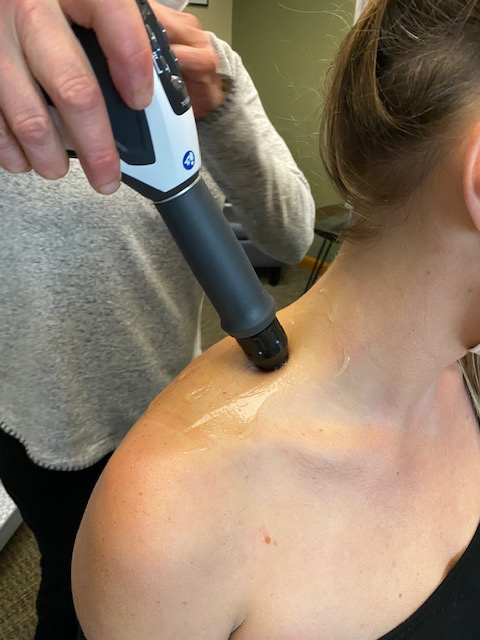
Shockwave Therapy
- Radial shockwave therapy that delivers targeted acoustic waves to injured or overused soft tissues, helping stimulate the body’s natural healing response
- Treatment that may help break up scar tissue that develops after repetitive strain or minor sprains on the slopes
- Increased blood flow to areas experiencing stiffness or soreness, which supports recovery after skiing or snowboarding
- A non-invasive option for addressing lingering pain in areas like the hips, lower back, knees, or shoulders
- Often used alongside chiropractic adjustments and soft tissue therapies to help improve mobility and reduce discomfort
By combining these approaches, our chiropractors in Bend work to restore mobility, reduce irritation around affected joints, and support your body’s natural healing process.
Why Early Care Can Make a Difference
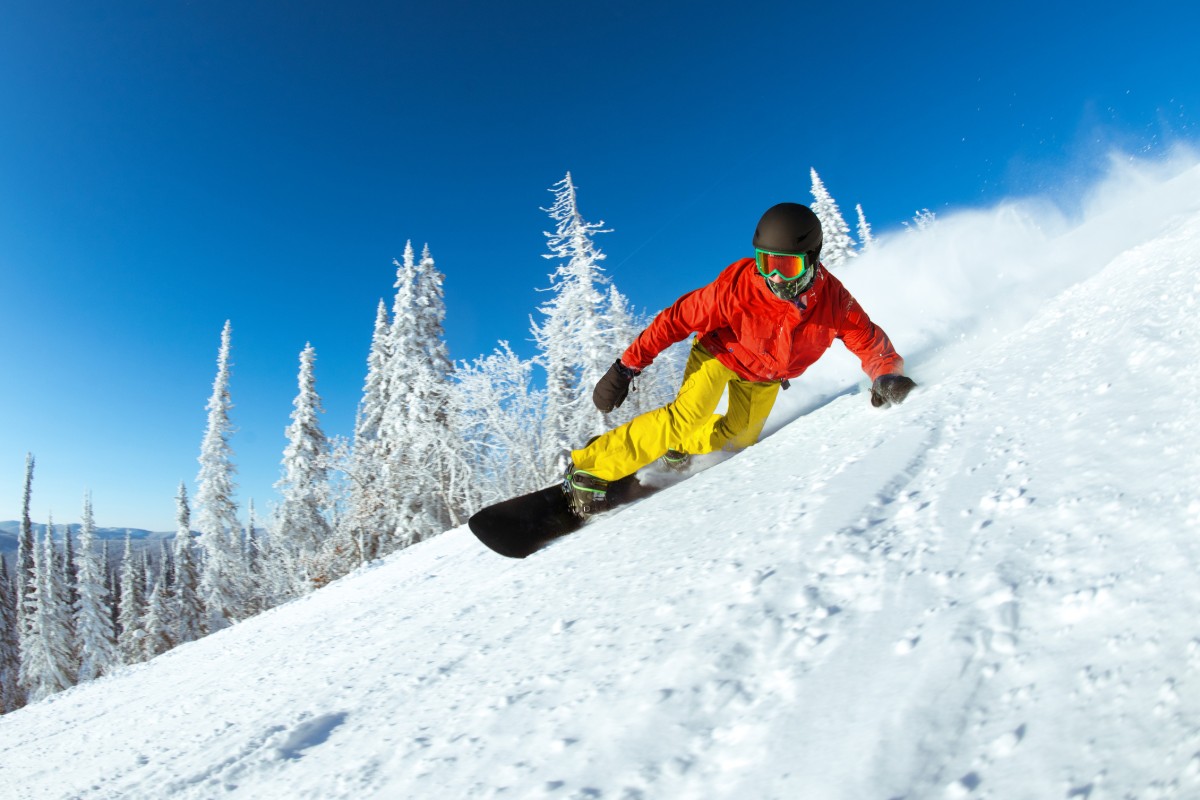
Many winter sports injuries begin as mild joint restriction or muscle tension. Without care, these issues may:
- Cause surrounding muscles to compensate for limited motion
- Increase strain on neighboring joints
- Affect balance or stability during future activity
- Lead to ongoing inflammation or recurring discomfort
Addressing these concerns early can often shorten recovery time and help prevent symptoms from lingering throughout the season.
Enjoy the Slopes All Winter Long
Skiing and snowboarding are a big part of our active lifestyle in Bend. Taking care of your body after a day at Mt. Bachelor can help you stay active and comfortable—so you’re ready for your next run.
If you’re ready to get back to skiing or snowboarding comfortably this winter, schedule an appointment with our chiropractors and massage therapists. Your body will thank you the next time you click into your bindings.
Frequently Asked Questions
1. Can chiropractic care help with ski or snowboard injuries?
Yes. Our chiropractors in Bend often help patients recover from joint restriction, muscle tension, and nerve irritation related to winter sports.
2. Should I see a chiropractor after falling while skiing?
Even if your symptoms are mild, an evaluation can help identify alignment or soft tissue concerns before they worsen or become chronic conditions. Our Bend chiropractors then develop a personalized treatment plan based on your specific needs and goals.
3. Can massage therapy help with soreness after skiing?
Therapeutic massage may help reduce muscle tension and improve circulation to areas affected by overuse or strain.
4. What is laser therapy used for?
Laser therapy is commonly used to reduce inflammation and support healing in soft tissues following minor injuries.
5. How soon should I seek care after a day on the slopes?
If discomfort lasts more than 48 hours or interferes with movement or sleep, it may be helpful to schedule an evaluation at our chiropractic clinic.